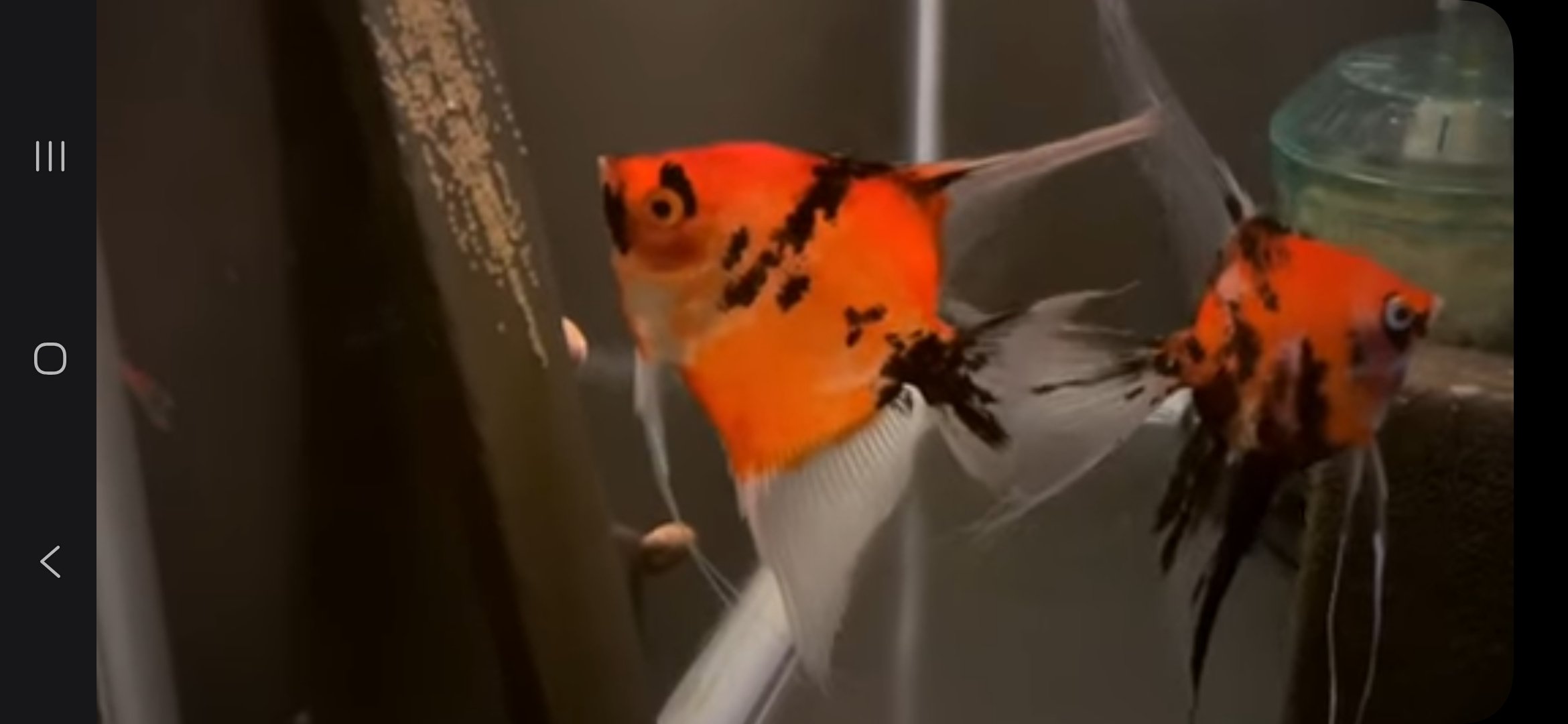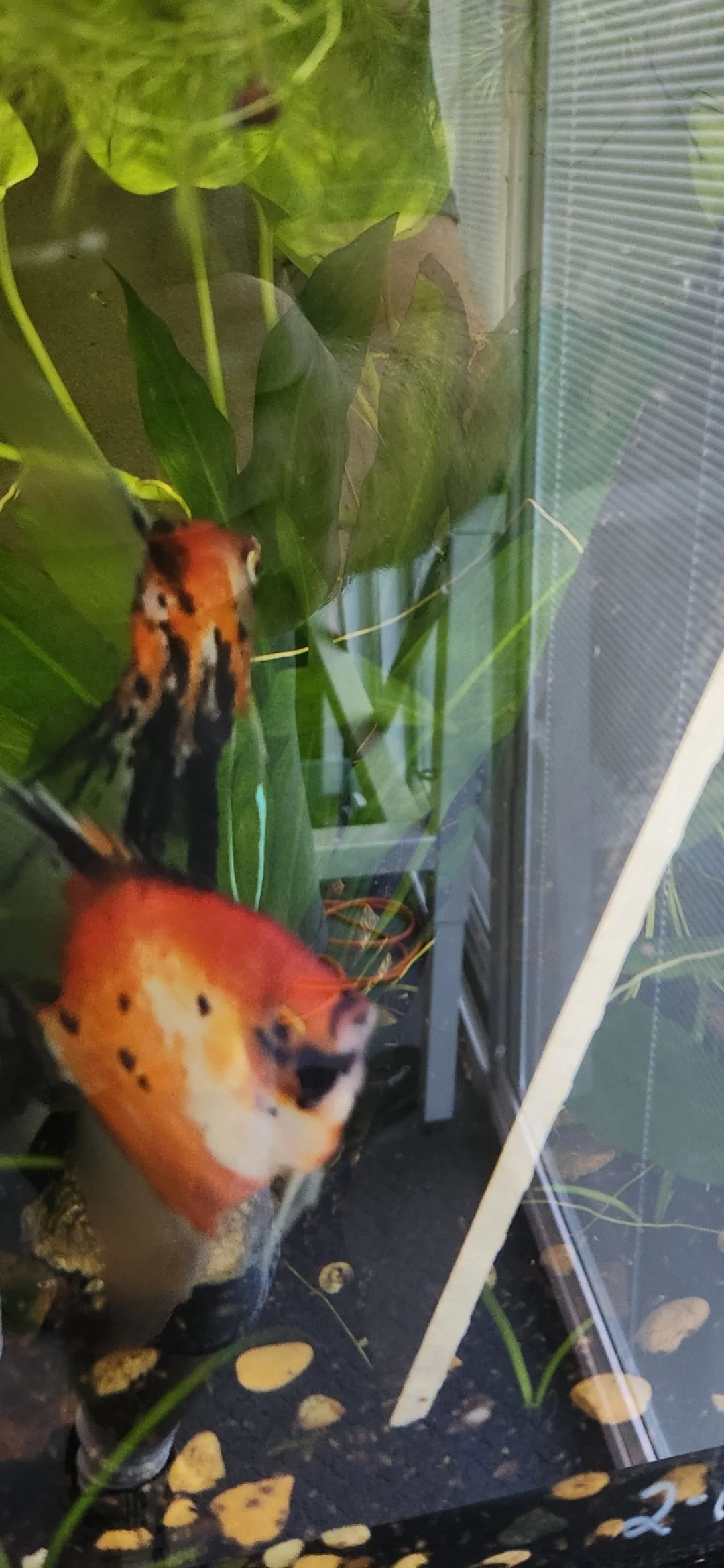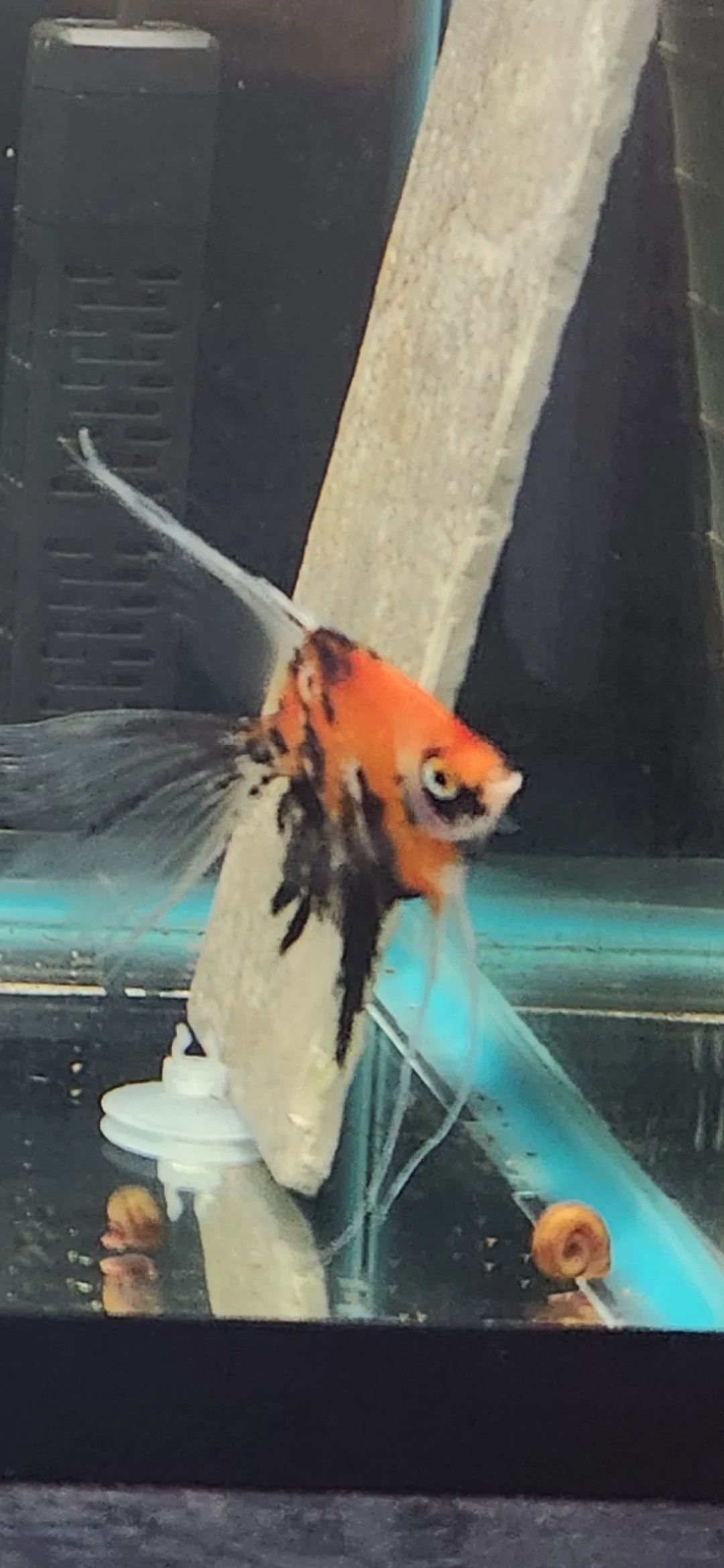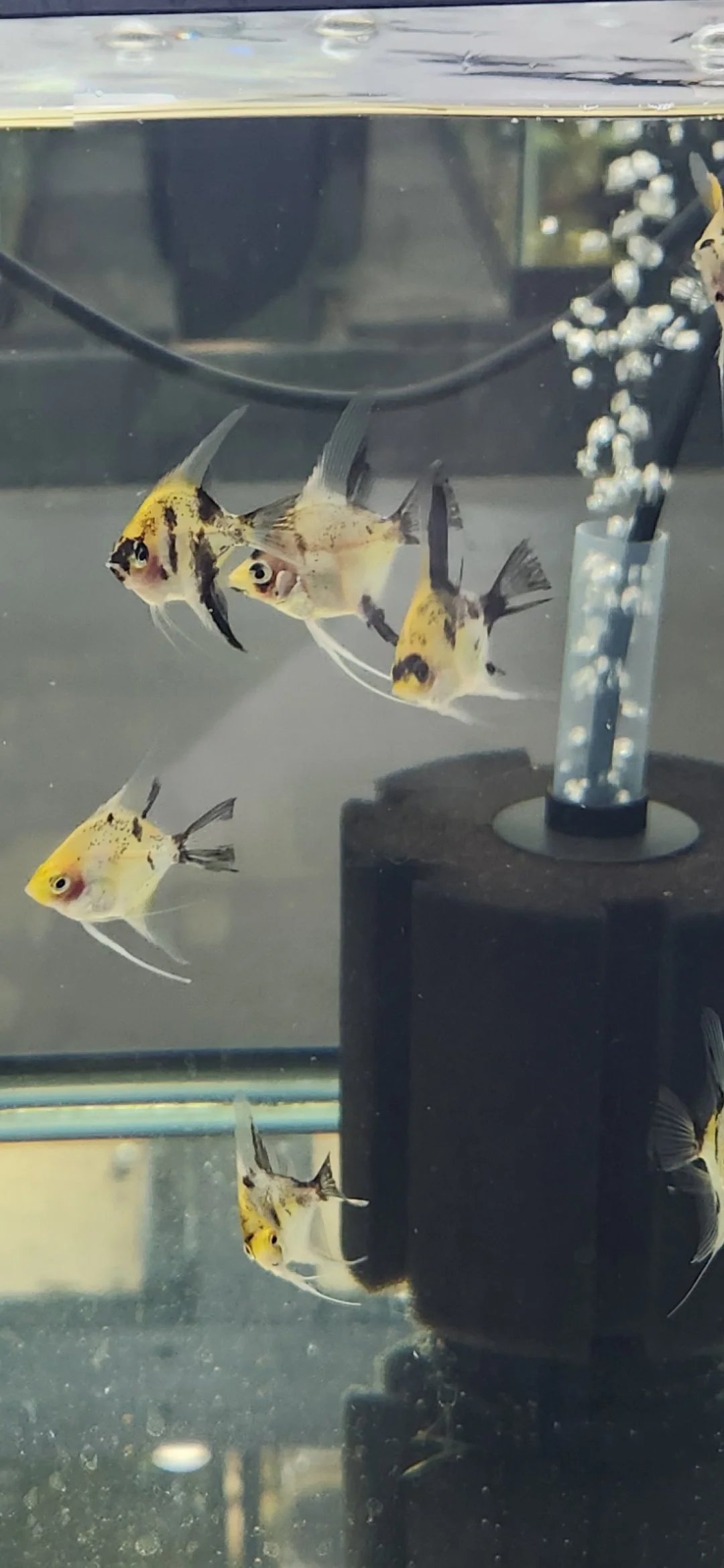
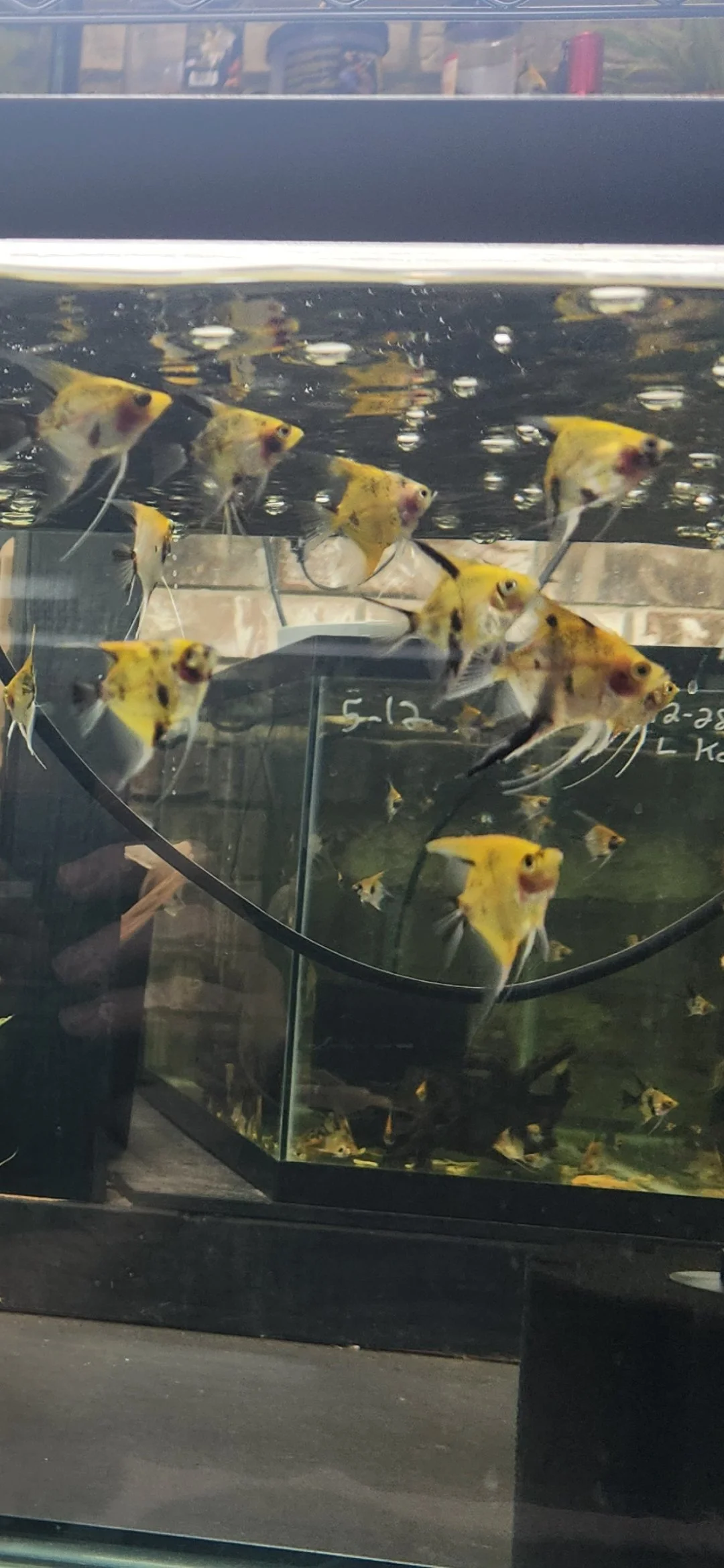
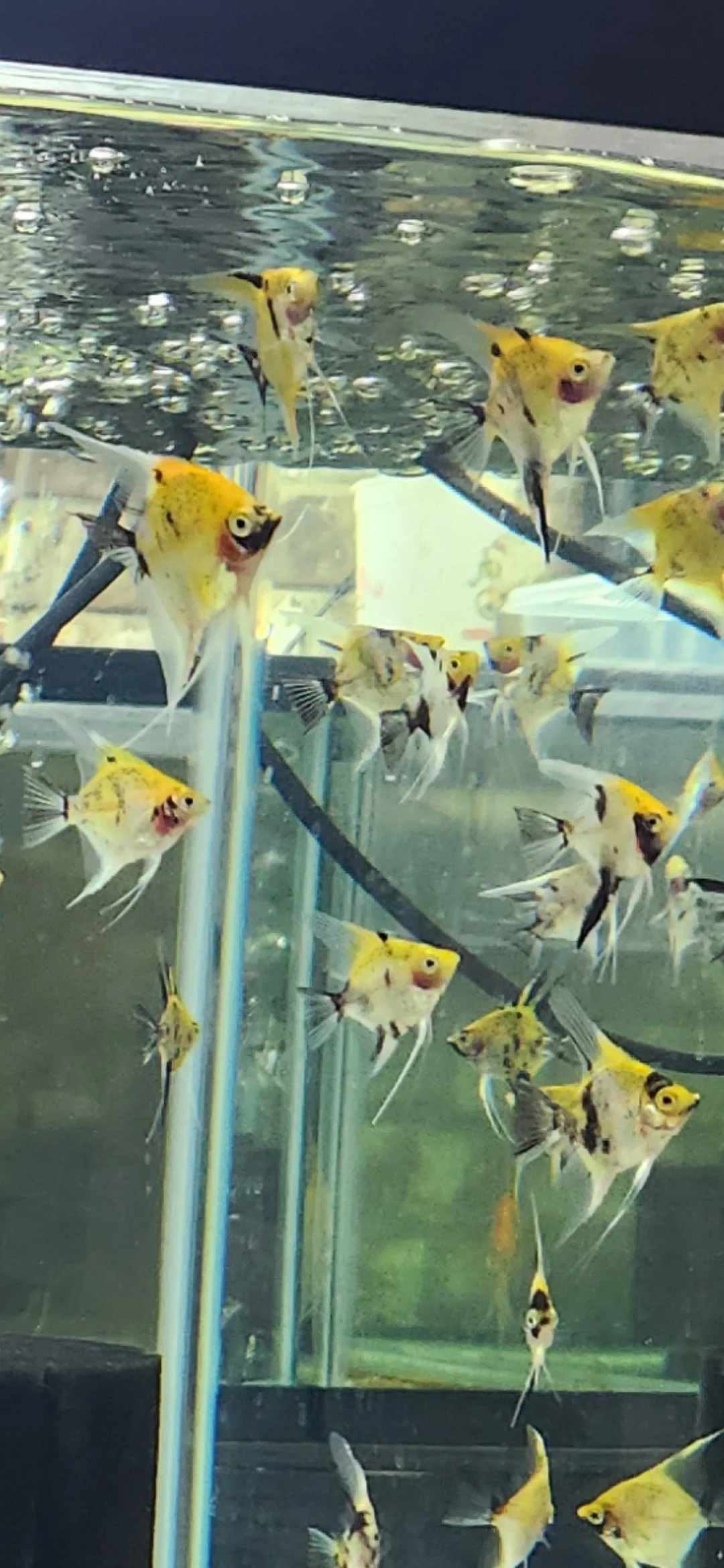
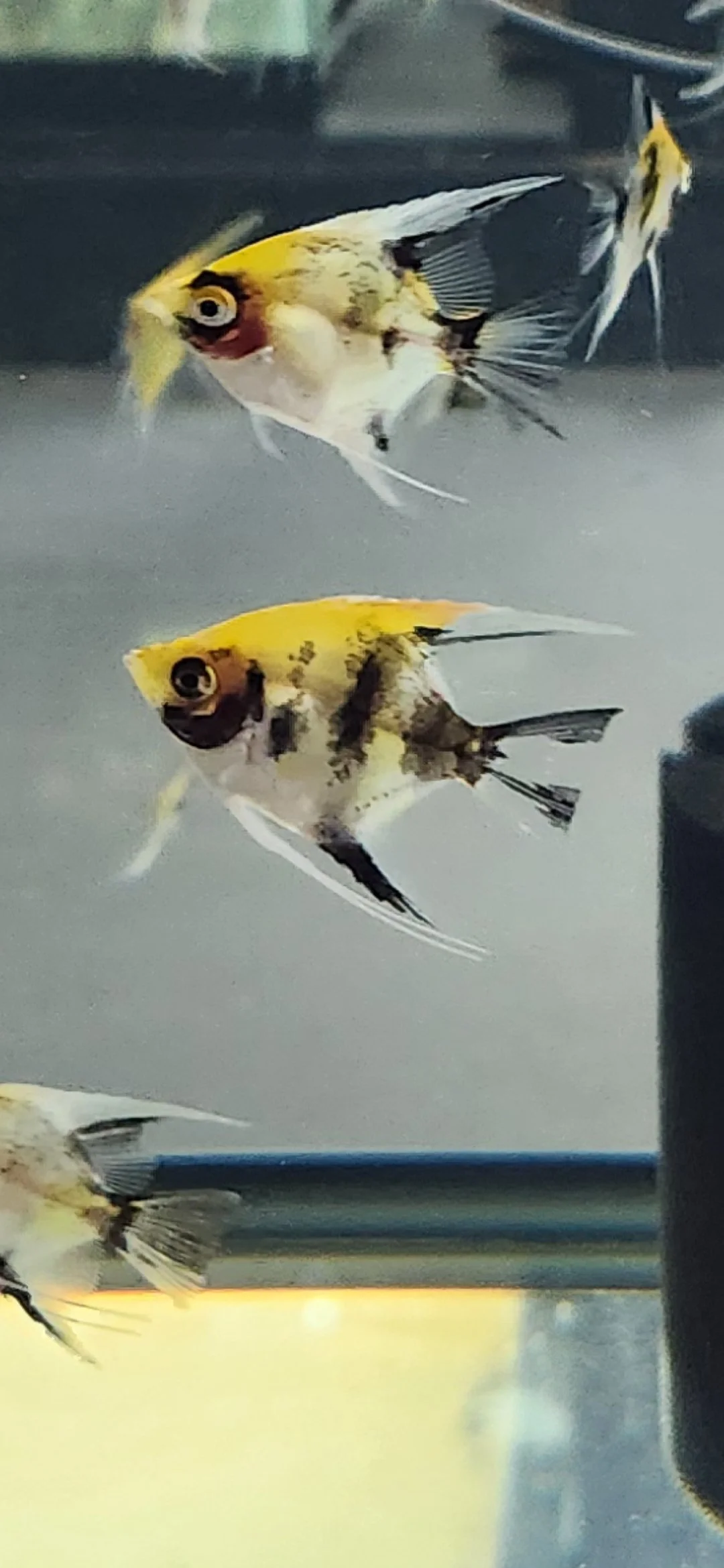
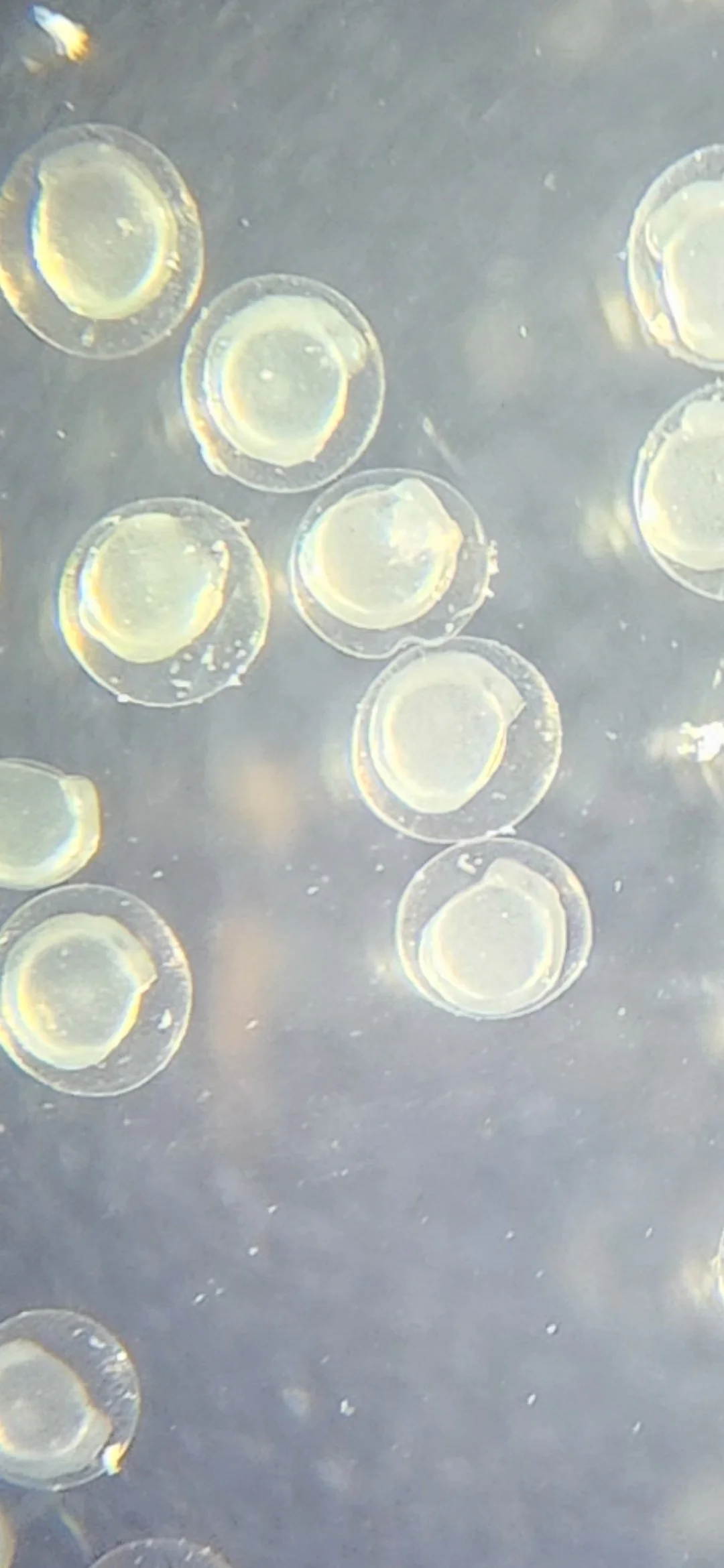
Source: Hobbyist Bred and Raised in the USA
Estimated size at shipping: 2-2.5"
Adult Size: around 5-6"
Sold as: Unsexed
Overview:
Since its introduction into the aquarium hobby in 1909, Angelfish have been mesmerizing aquarists with their unique beauty. Back then, they were considered delicate, but these days most angelfish are considered hardy and easy to keep.
Being a cichlid, angelfish can be aggressive during breeding/courtship, but they are not nearly as aggressive as many cichlids and can be successfully maintained in groups and/or community aquariums if the setup is right. One of the best ways to mitigate aggression is to keep them in groups so no single fish or pair of fish gets too much of an upper hand. In groups, they will spar and display, but rarely do any real damage.
Setup Considerations:
Although they are not strong/fast swimmers and don't need room to race, angelfish grow quite large. This makes them a stunning centerpiece fish, but also means they need adequate space.
Diet:
Angelfish are grazers which will spend hours slowly perusing hardscape and/or plants for morsels of food. They are true omnivores which will readily eat almost any dry, frozen, or live food offered.
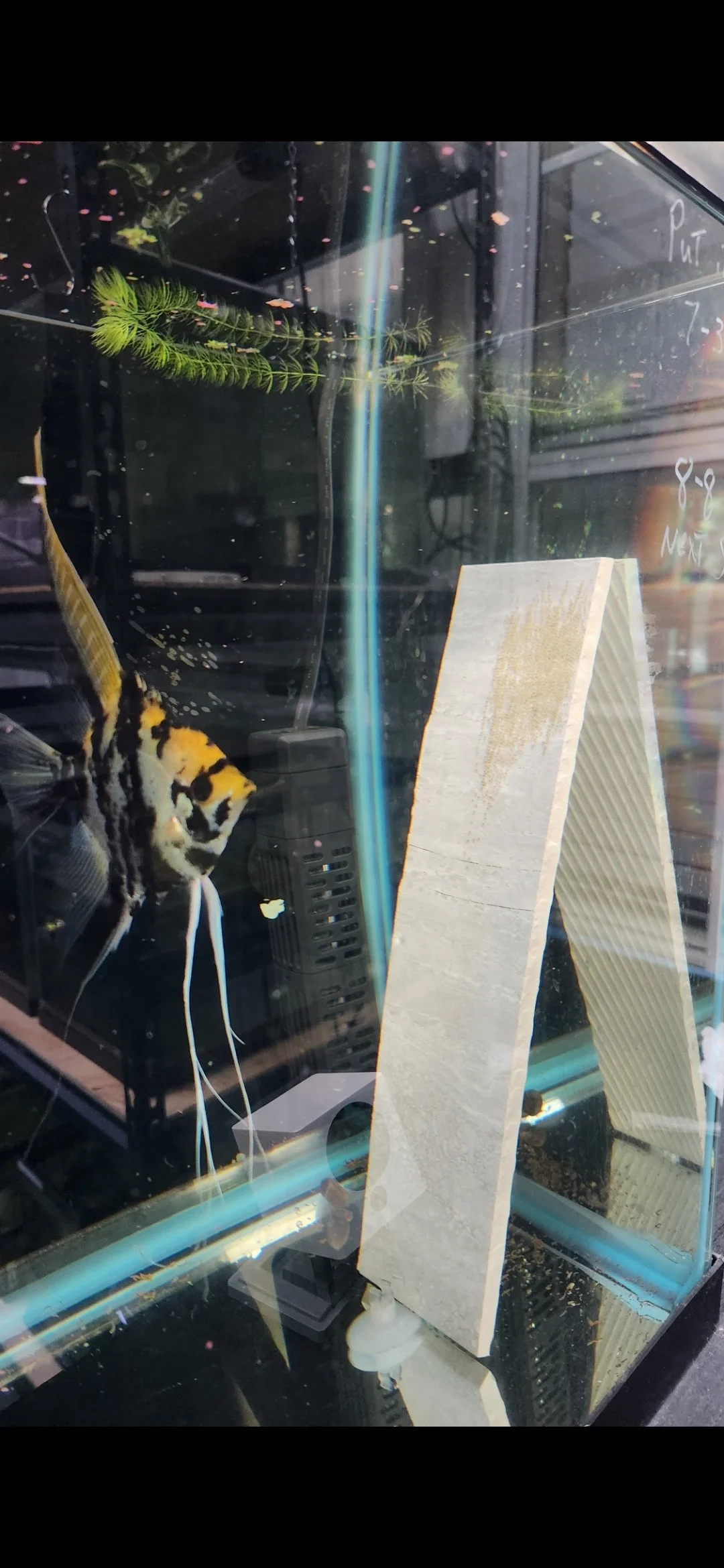
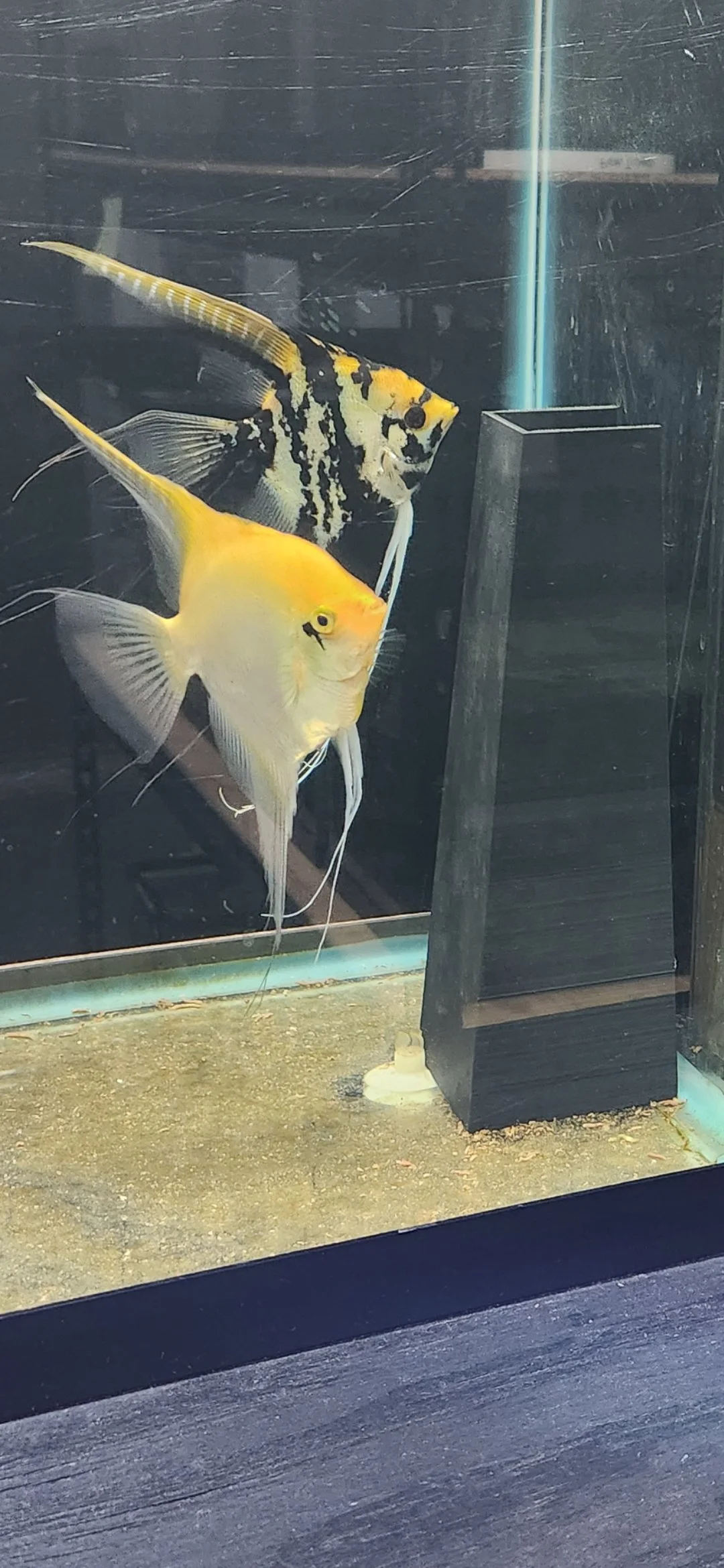
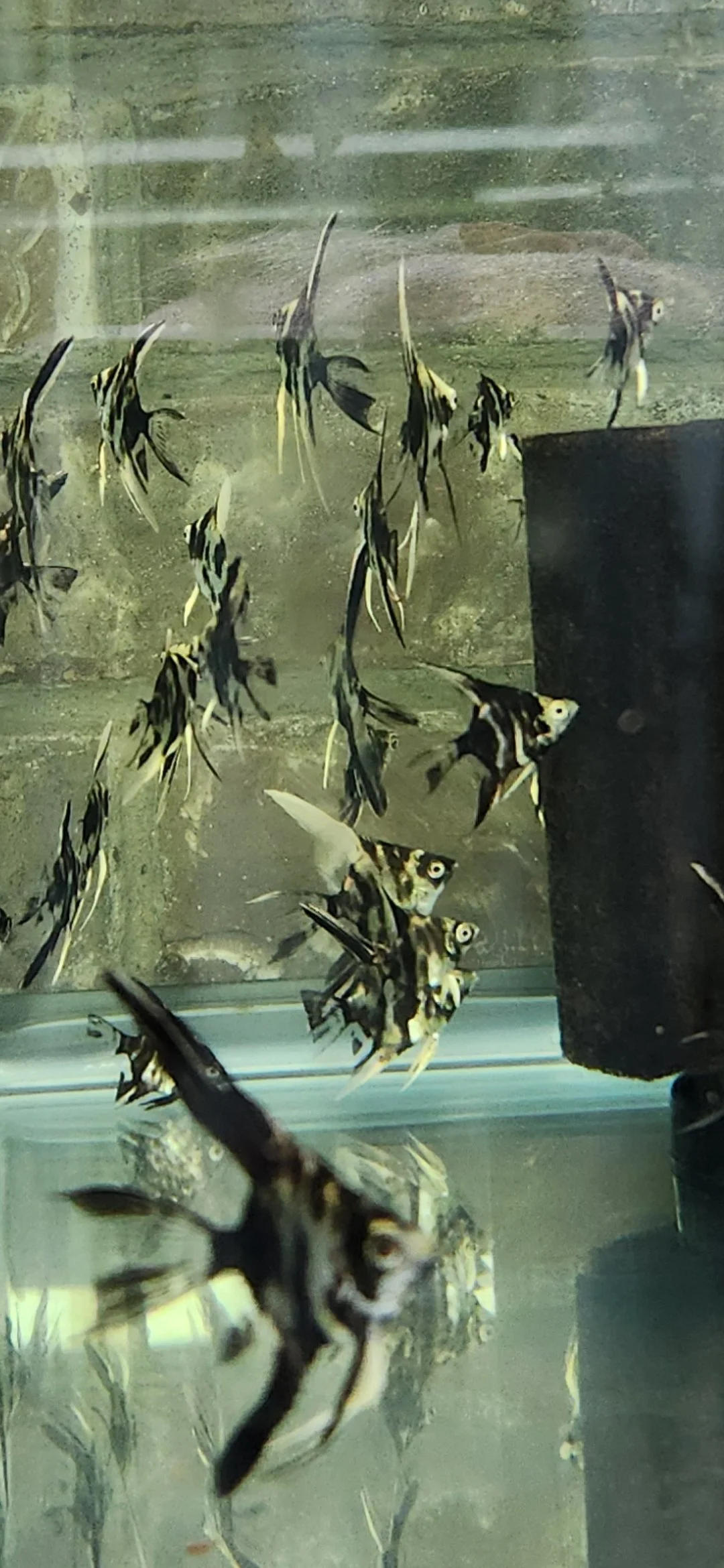
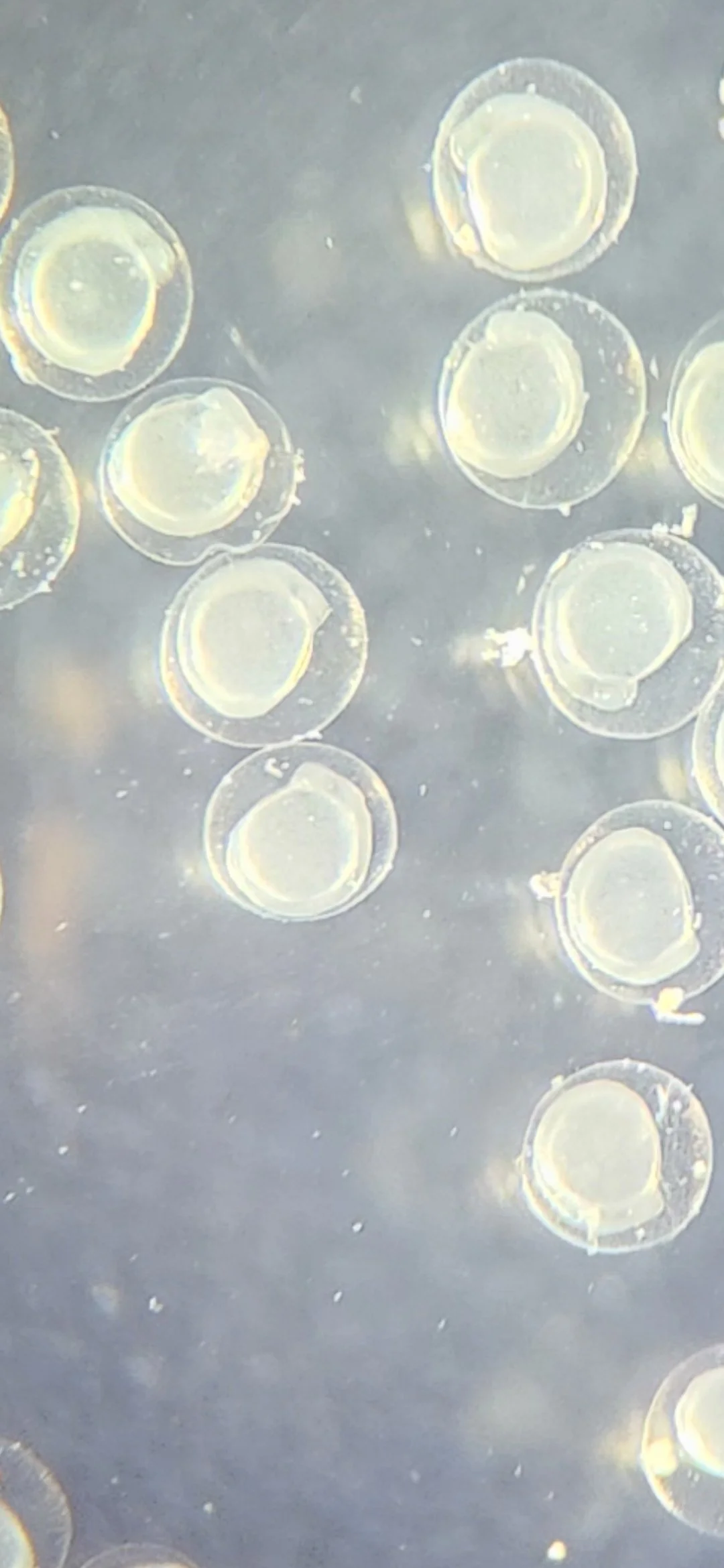
Source: Hobbyist Bred and Raised in the USA
Estimated size at shipping: 2-2.5"
Adult Size: around 5-6"
Sold as: Unsexed
Overview:
Since its introduction into the aquarium hobby in 1909, Angelfish have been mesmerizing aquarists with their unique beauty. Back then, they were considered delicate, but these days most angelfish are considered hardy and easy to keep.
Being a cichlid, angelfish can be aggressive during breeding/courtship, but they are not nearly as aggressive as many cichlids and can be successfully maintained in groups and/or community aquariums if the setup is right. One of the best ways to mitigate aggression is to keep them in groups so no single fish or pair of fish gets too much of an upper hand. In groups, they will spar and display, but rarely do any real damage.
Setup Considerations:
Although they are not strong/fast swimmers and don't need room to race, angelfish grow quite large. This makes them a stunning centerpiece fish, but also means they need adequate space.
Diet:
Angelfish are grazers which will spend hours slowly perusing hardscape and/or plants for morsels of food. They are true omnivores which will readily eat almost any dry, frozen, or live food offered.
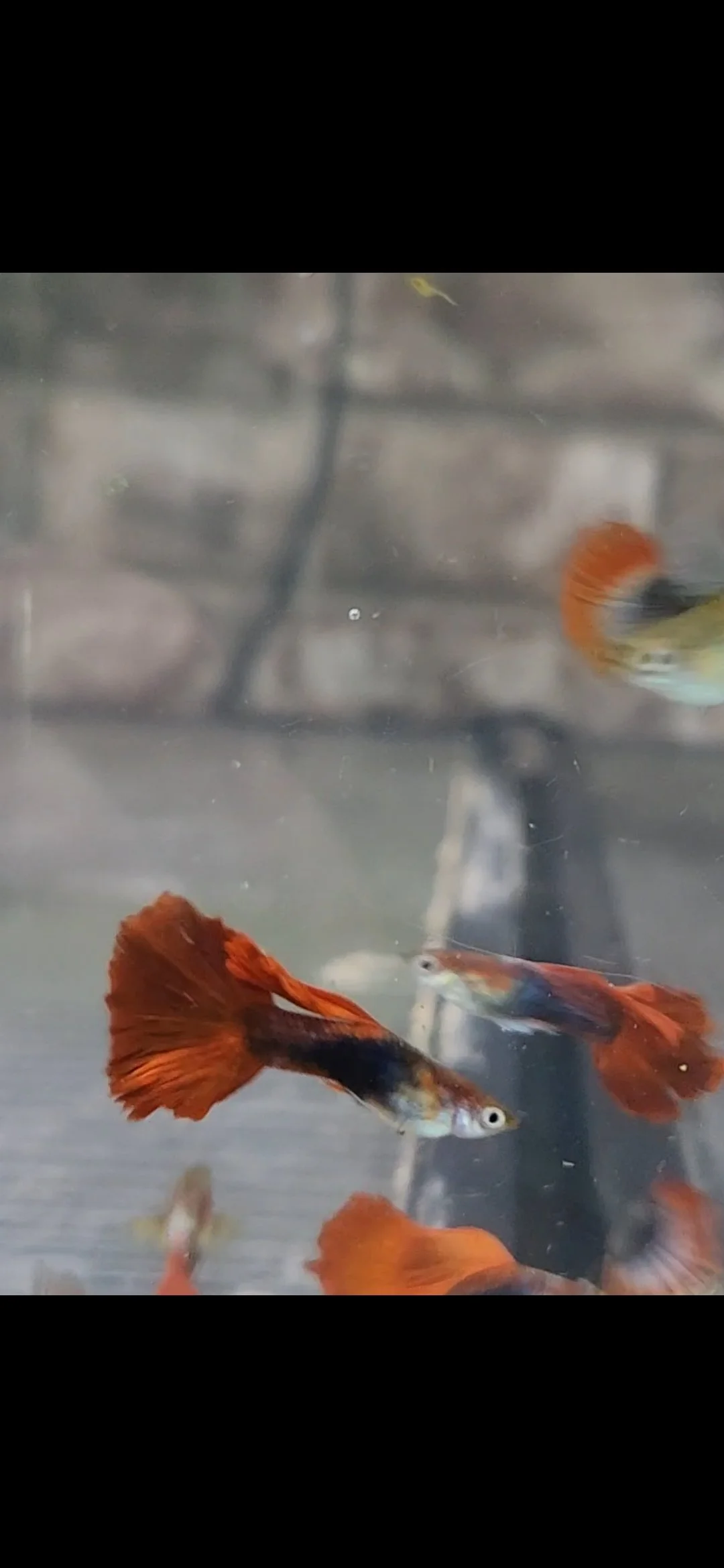
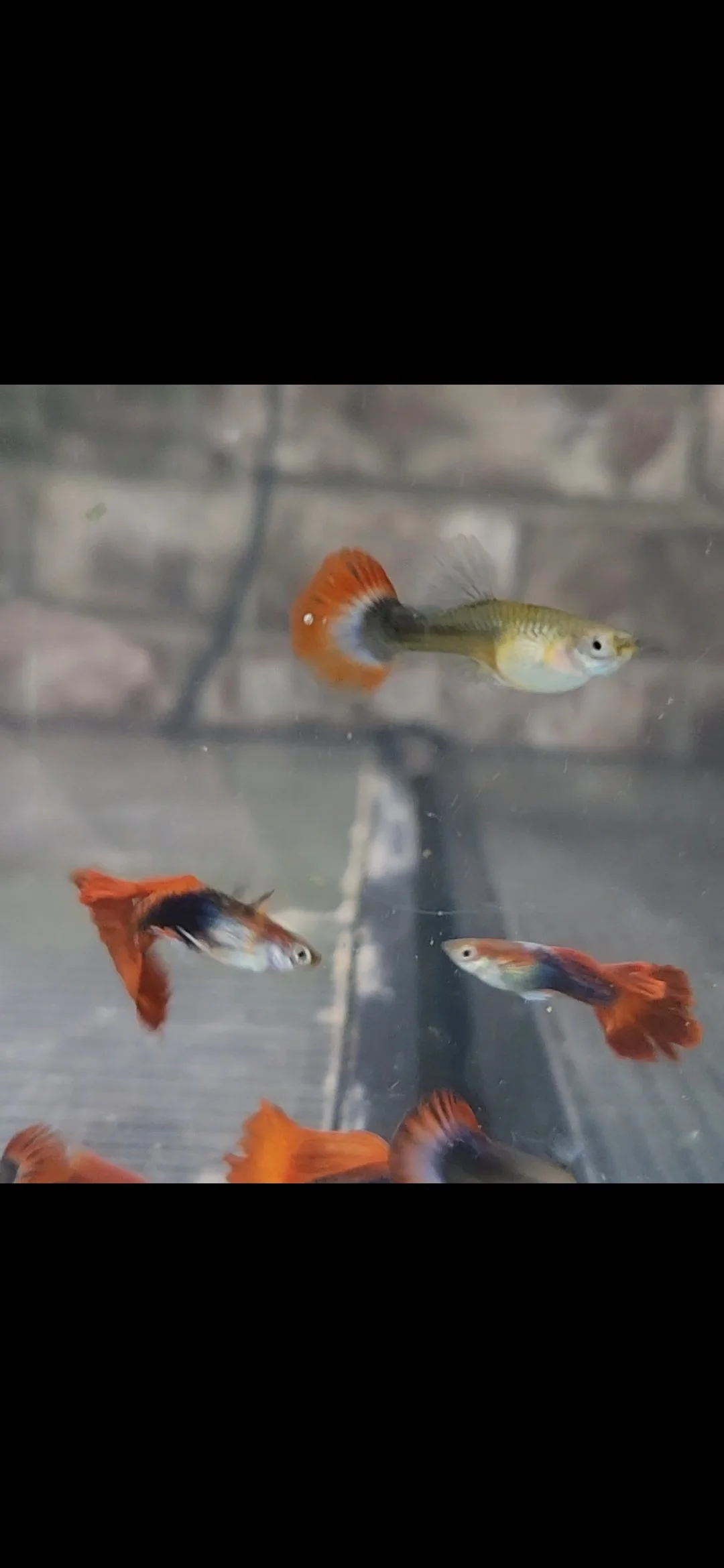
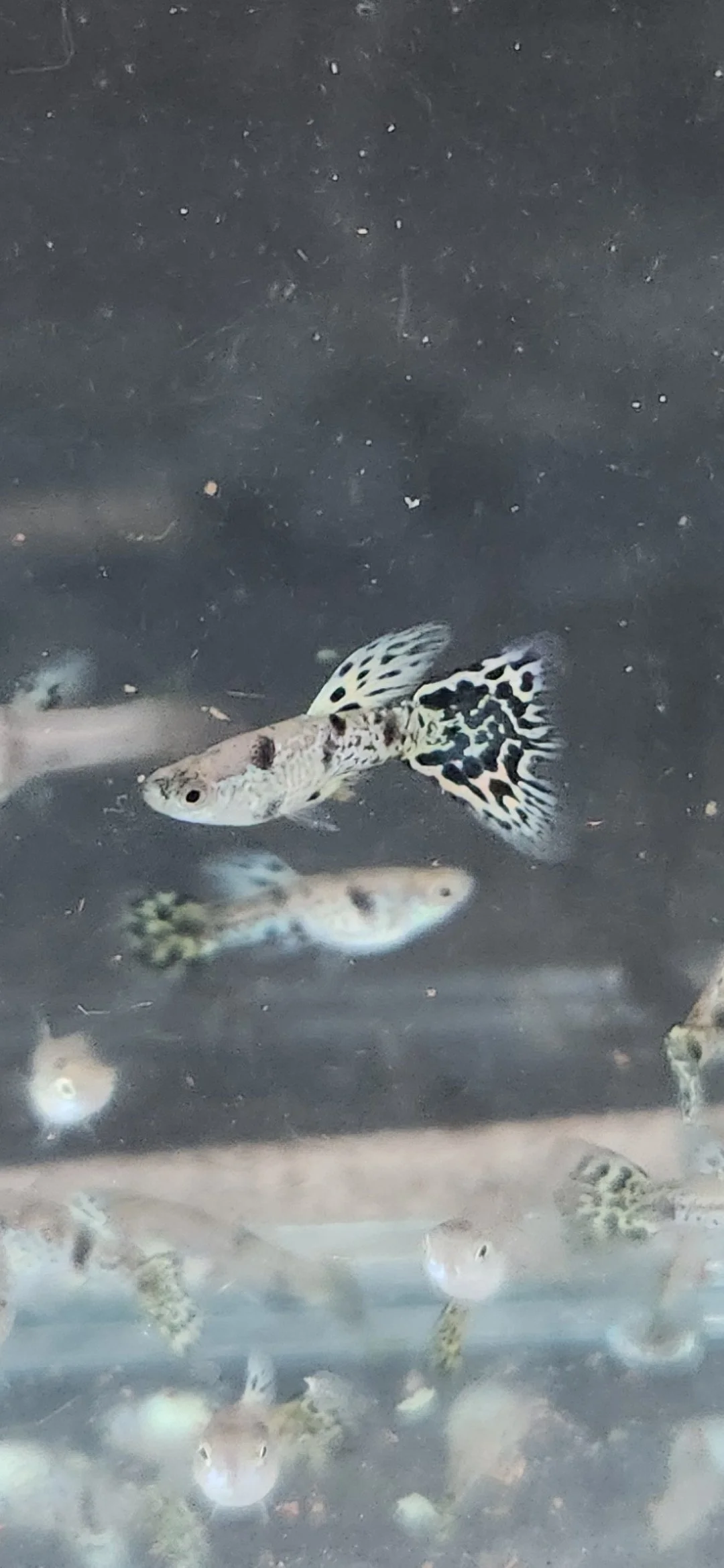
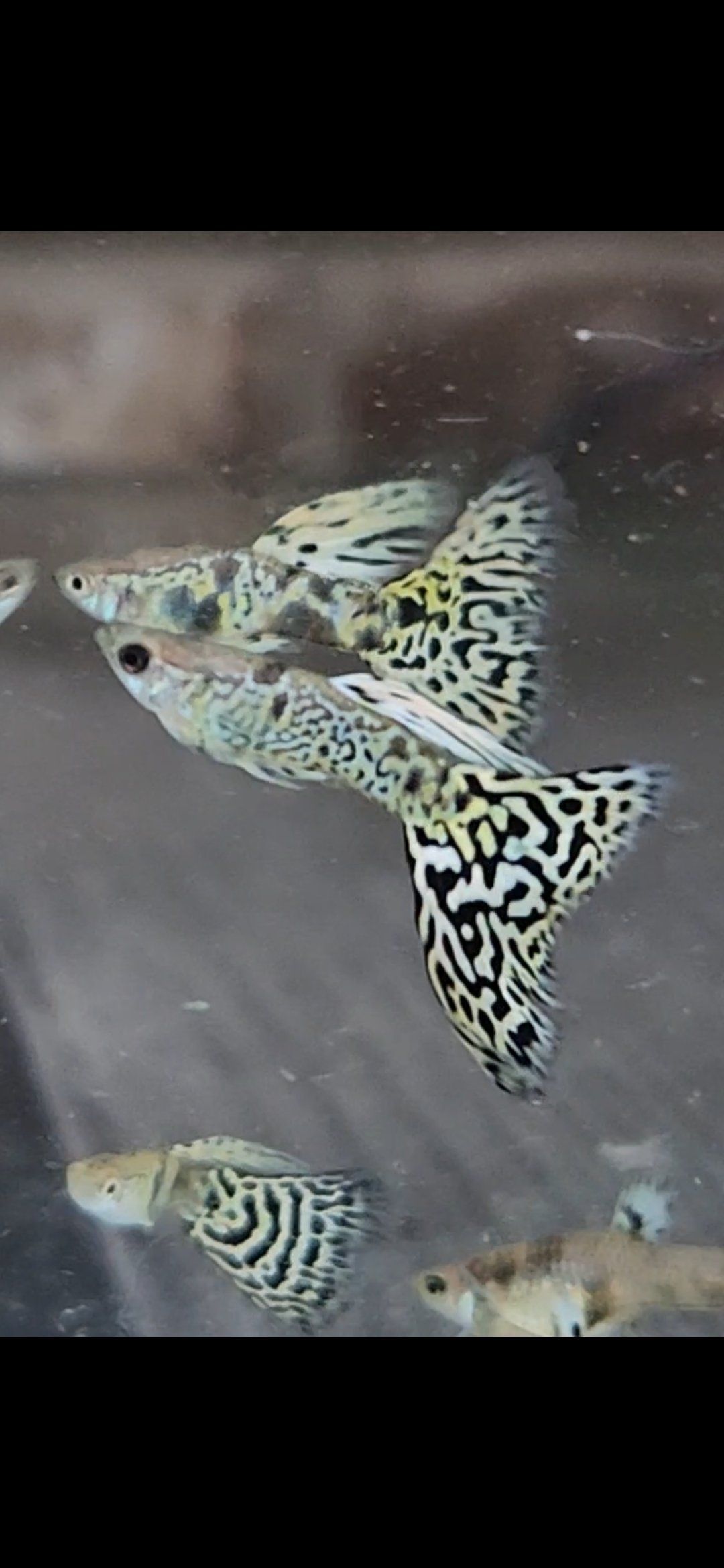
Source: Aquarium Bred in Bedford TX.
Estimated size at shipping: 0.75-1.25"
Adult Size: around 1.5-2"
Sold as: Pair (1M1F)
Overview:
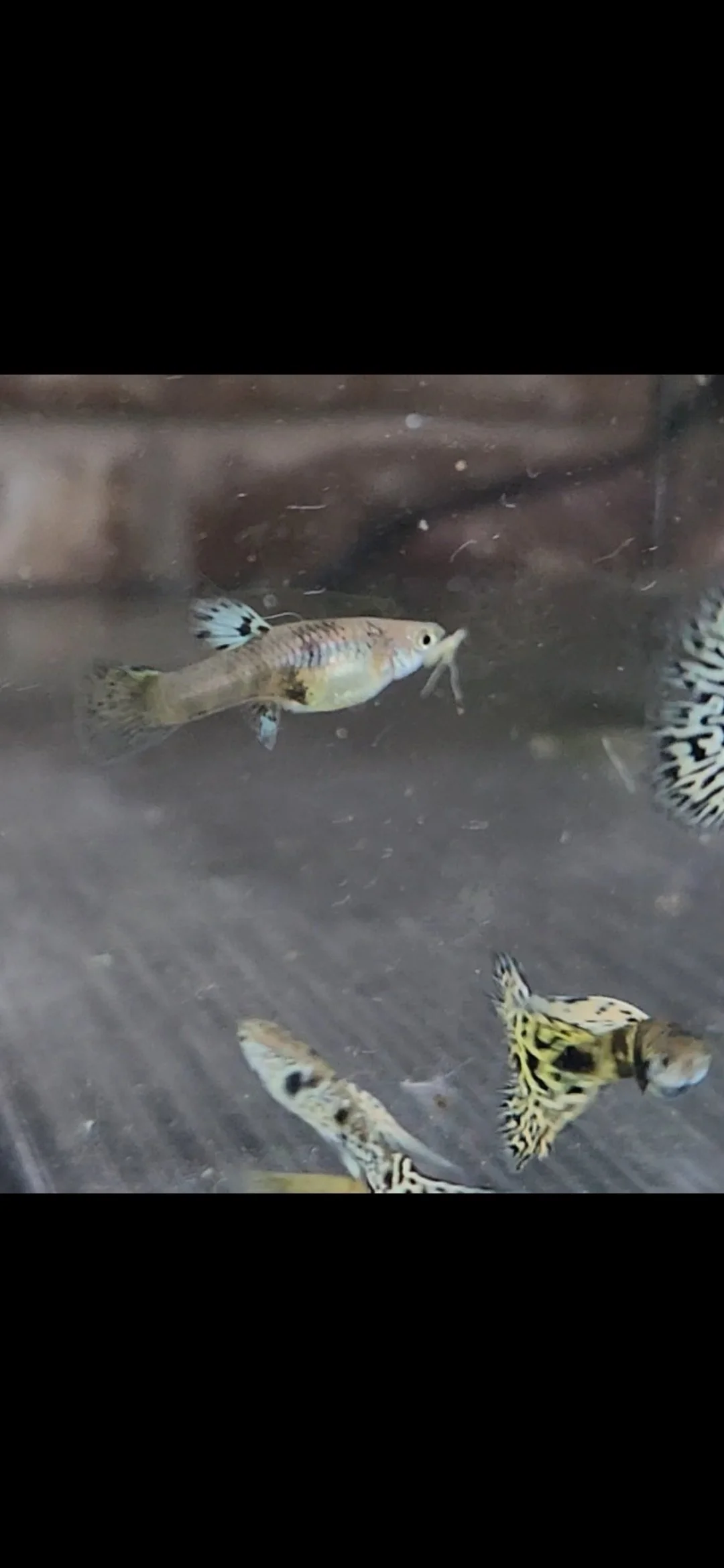
This group is very pretty, but line doesn't seem as fixed and their is a lot of variation in their colors and patterns. Some look like traditional Red Dragons, some do not. Because of this, they have been discounted in price.
Some of these are juveniles that have yet to develop their full color and finnage. They will become beautiful as they grow up.
Guaranteed HEALTHY LIVEBEARERS! We source the best and work with a Certified Aquatic Veterinarian to insure our livebearers are healthy. Our vet has developed quarantine and medication protocols which we follow to ensure the health of our Guppies, Swordtails, Mollies, and Platies. If you have had problems keeping livebearers healthy in the past, try these. They might not be the cheapest, but that's because we've done the work to make sure they are the healthiest in the aquarium fish industry.
There is a reason guppies (and endlers) are one of the top 10 most popular aquarium fish in the world. They are peaceful, active, and come in a wide array of colorful shapes, sizes, and patterns. Also, they are one of the easiest fish to breed and raise. This, combined with the vast array of strains available, means there is no end to the neat variations which can be developed by hobbyist breeders.
Setup Considerations:
Guppies and endlers do well in a wide variety of setups. Anything from a bare tank with an established filter to a fully aquascaped, planted aquarium works for them. As long as the aquarium is mature enough that water parameters will be stable and ammonia/nitrites/nitrates won't be an issue, they should do well. We keep our guppies at 79 degrees F, but they can be kept anywhere from the mid-70s to the low 80s. They are easiest to keep in hard, alkaline water, which makes them perfect for most fish keepers in the USA.
Diet: Omnivore
Guppies are omnivores, but the majority of their diet is plant matter. A 2003 study from the University of Lagos showed that algae made up 79% of their diet. They also eat mosquito larva and other animal protein, but only a small amount. Guppies are not picky and will eat a wide variety of foods, but be sure to rotate spirulina flakes, algae wafers, and other veggie sources into their diet. These fish are omnivores, but their natural diet contains a significant amount of plant matter. They also eat animal protein in nature, but only a small amount. Livebearers are not picky and will eat a wide variety of foods, but be sure to rotate spirulina flakes, algae wafers, and other veggie sources into their diet. We feed a rotation of Aquarium Coop Easy Community Floating Pellets, Xtreme Krill Flake, Xtreme Monster Pellets, algae flakes, algae wafers, and the occasional treat of brine shrimp or blood worms.
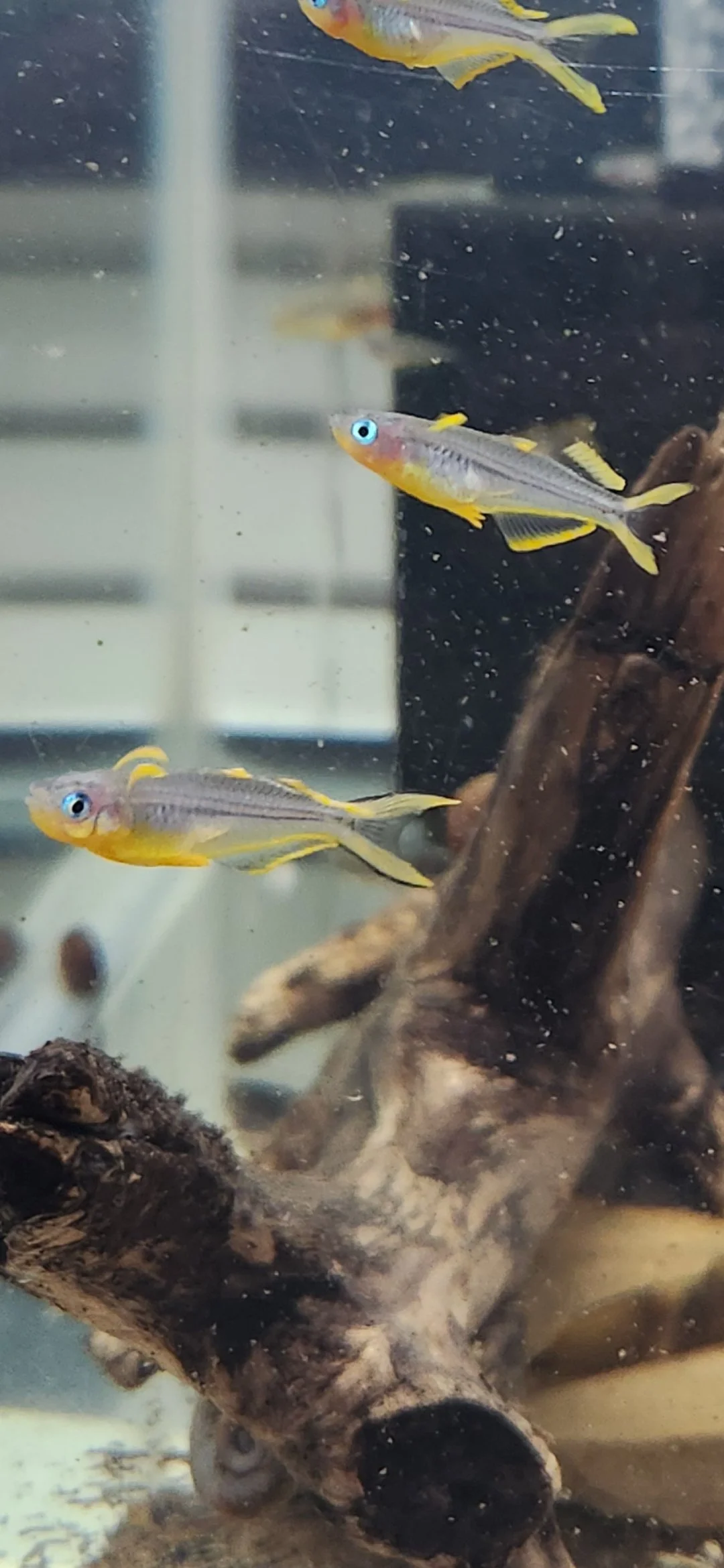
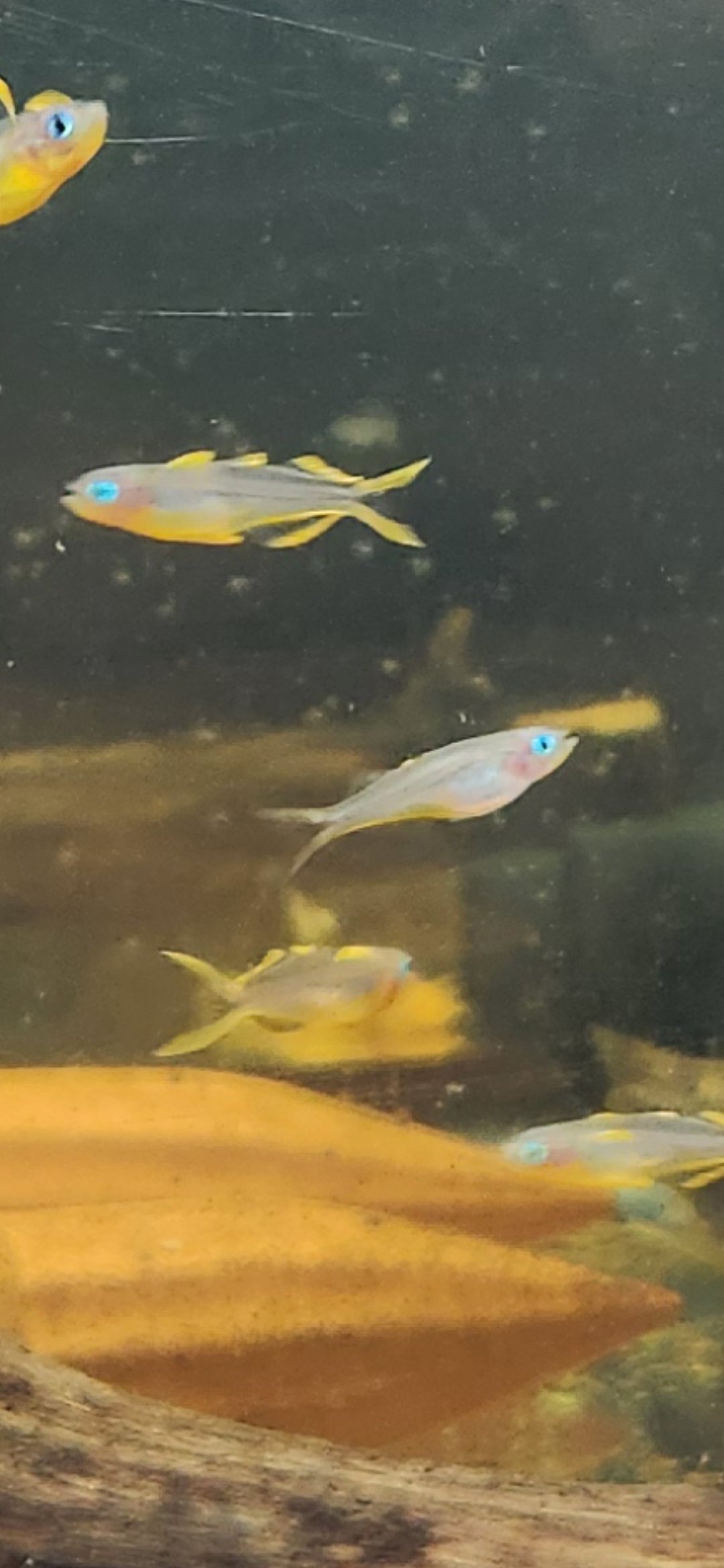
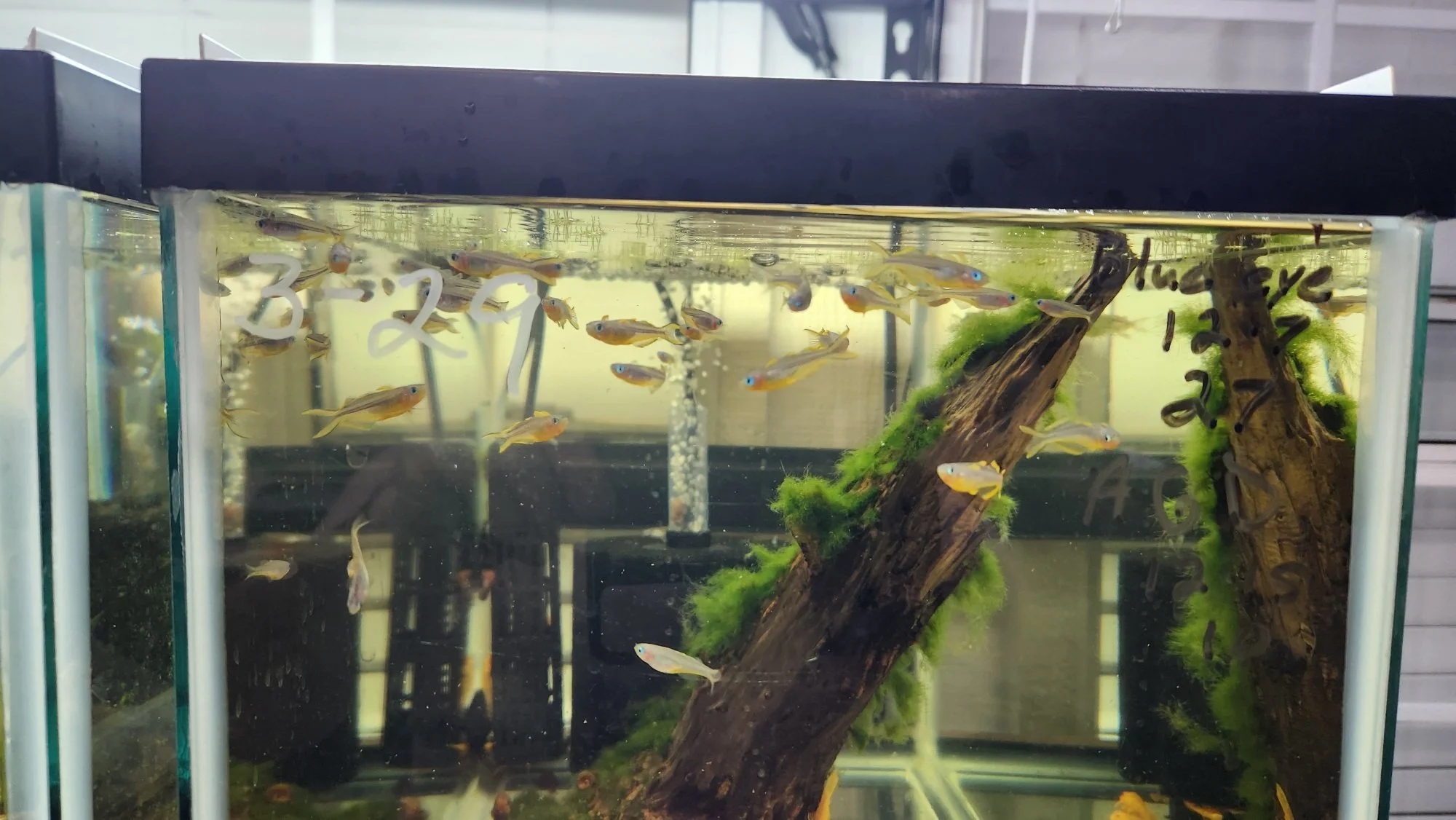
Forktail Blue Eye Rainbowfish
Pseudomugil furcatus
Source: Home Bred in Bedford TX
Size at Shipping: 0.75" – 1.25"
Adult Size: 1.5" – 2"
Sold As: Unsexed
The Forktail Blue Eye Rainbowfish is a stunning and active nano species known for its bright blue eyes, vibrant yellow fins, and distinctive forked tail. Native to Papua New Guinea, this species is a popular choice for planted community aquariums due to its peaceful temperament and constant movement.
Care Requirements
Temperament: Peaceful, schooling
Difficulty: Easy / Hardy
Minimum Tank Size: 20 gallons (larger preferred)
Group Size: 6+ recommended
Water Parameters:
Temperature: 75–80°F
pH: 7.0 – 8.0
GH: 5 – 10
Tank Setup
Best kept in a well-planted aquarium with open swimming space. Floating plants and gentle flow are appreciated. A secure lid is required, as this species is prone to jumping.
Diet
Omnivorous. Will readily accept high-quality flakes and micro pellets. For best coloration and health, supplement with frozen or live foods such as brine shrimp and daphnia.
Tank Mates
Ideal for peaceful community tanks. Compatible with:
Corydoras
Small tetras
Rasboras
Adult shrimp
Avoid keeping with large or aggressive species.
This species thrives in stable, established aquariums and is an excellent choice for both beginner and experienced hobbyists looking to add color and activity to their tank.
Source: Aquarium Bred and Raised
Estimated size at shipping: 0.75-1.25"
Adult Size: around 1.5-2"
Sold as: Pair (1M1F)
Overview:
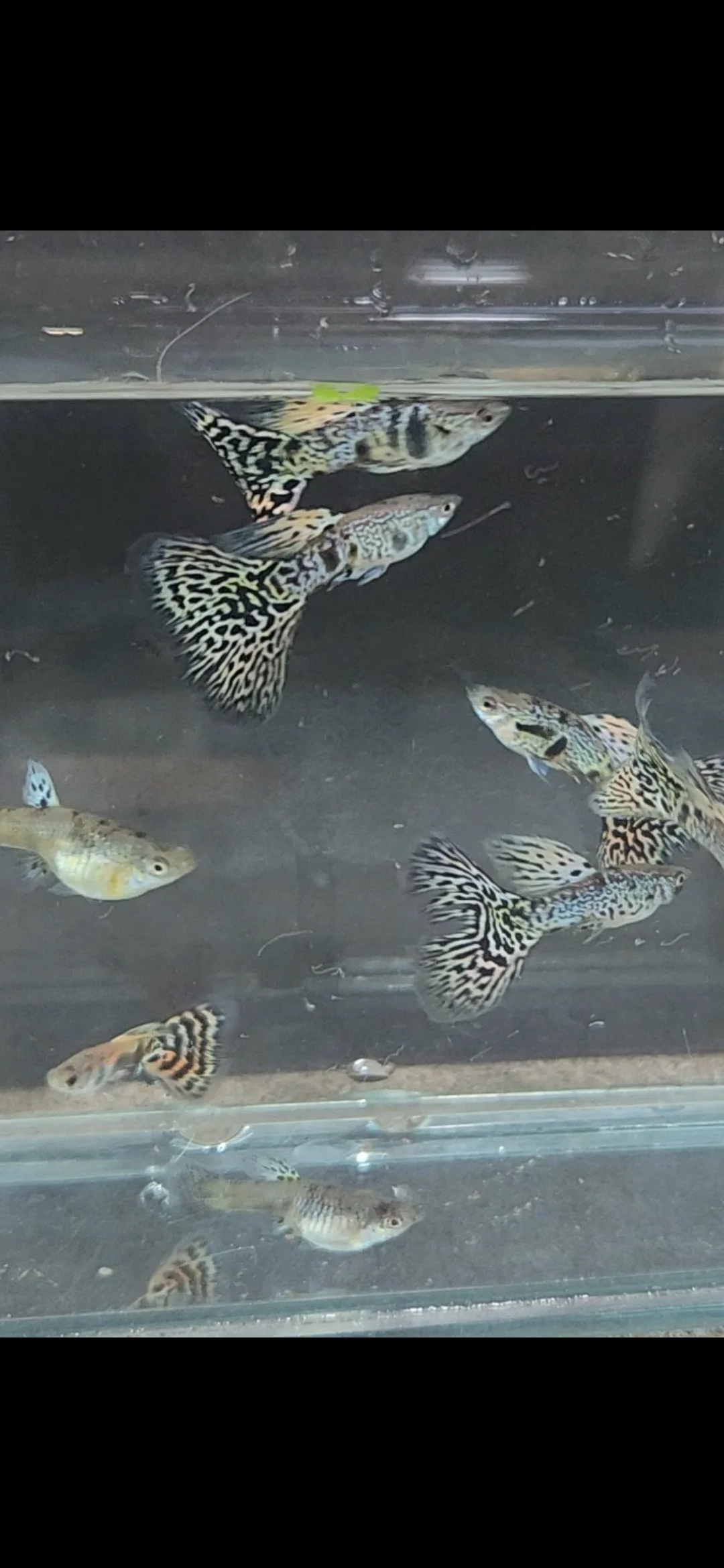
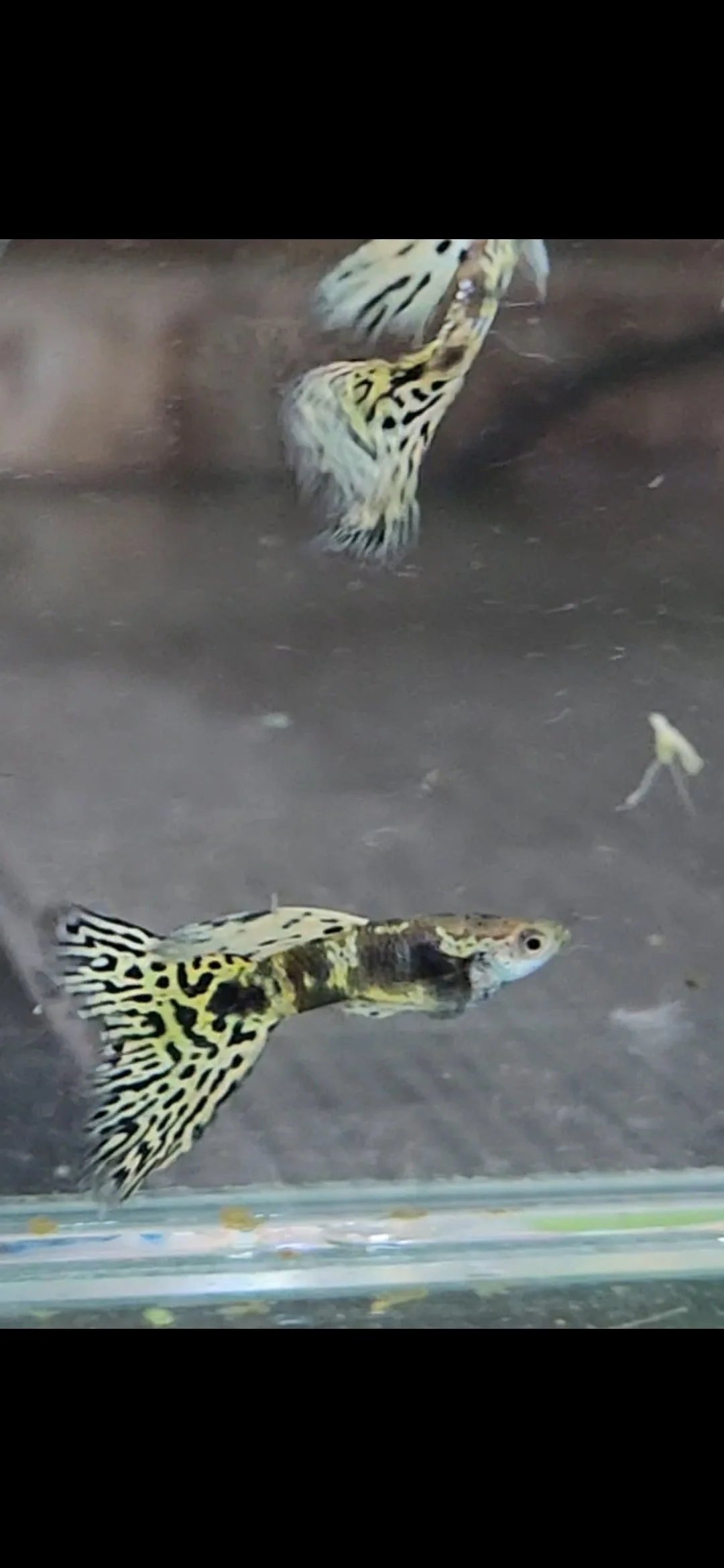
This group is very pretty, but line doesn't seem as fixed and their is a lot of variation in their colors and patterns. Some look like traditional Red Dragons, some do not. Because of this, they have been discounted in price.
Some of these are juveniles that have yet to develop their full color and finnage. They will become beautiful as they grow up.
Guaranteed HEALTHY LIVEBEARERS! We source the best and work with a Certified Aquatic Veterinarian to insure our livebearers are healthy. Our vet has developed quarantine and medication protocols which we follow to ensure the health of our Guppies, Swordtails, Mollies, and Platies. If you have had problems keeping livebearers healthy in the past, try these. They might not be the cheapest, but that's because we've done the work to make sure they are the healthiest in the aquarium fish industry.
There is a reason guppies (and endlers) are one of the top 10 most popular aquarium fish in the world. They are peaceful, active, and come in a wide array of colorful shapes, sizes, and patterns. Also, they are one of the easiest fish to breed and raise. This, combined with the vast array of strains available, means there is no end to the neat variations which can be developed by hobbyist breeders.
Setup Considerations:
Guppies and endlers do well in a wide variety of setups. Anything from a bare tank with an established filter to a fully aquascaped, planted aquarium works for them. As long as the aquarium is mature enough that water parameters will be stable and ammonia/nitrites/nitrates won't be an issue, they should do well. We keep our guppies at 79 degrees F, but they can be kept anywhere from the mid-70s to the low 80s. They are easiest to keep in hard, alkaline water, which makes them perfect for most fish keepers in the USA.
Diet: Omnivore
Guppies are omnivores, but the majority of their diet is plant matter. A 2003 study from the University of Lagos showed that algae made up 79% of their diet. They also eat mosquito larva and other animal protein, but only a small amount. Guppies are not picky and will eat a wide variety of foods, but be sure to rotate spirulina flakes, algae wafers, and other veggie sources into their diet. These fish are omnivores, but their natural diet contains a significant amount of plant matter. They also eat animal protein in nature, but only a small amount. Livebearers are not picky and will eat a wide variety of foods, but be sure to rotate spirulina flakes, algae wafers, and other veggie sources into their diet. We feed a rotation of Aquarium Coop Easy Community Floating Pellets, Xtreme Krill Flake, Xtreme Monster Pellets, algae flakes, algae wafers, and the occasional treat of brine shrimp or blood worms.
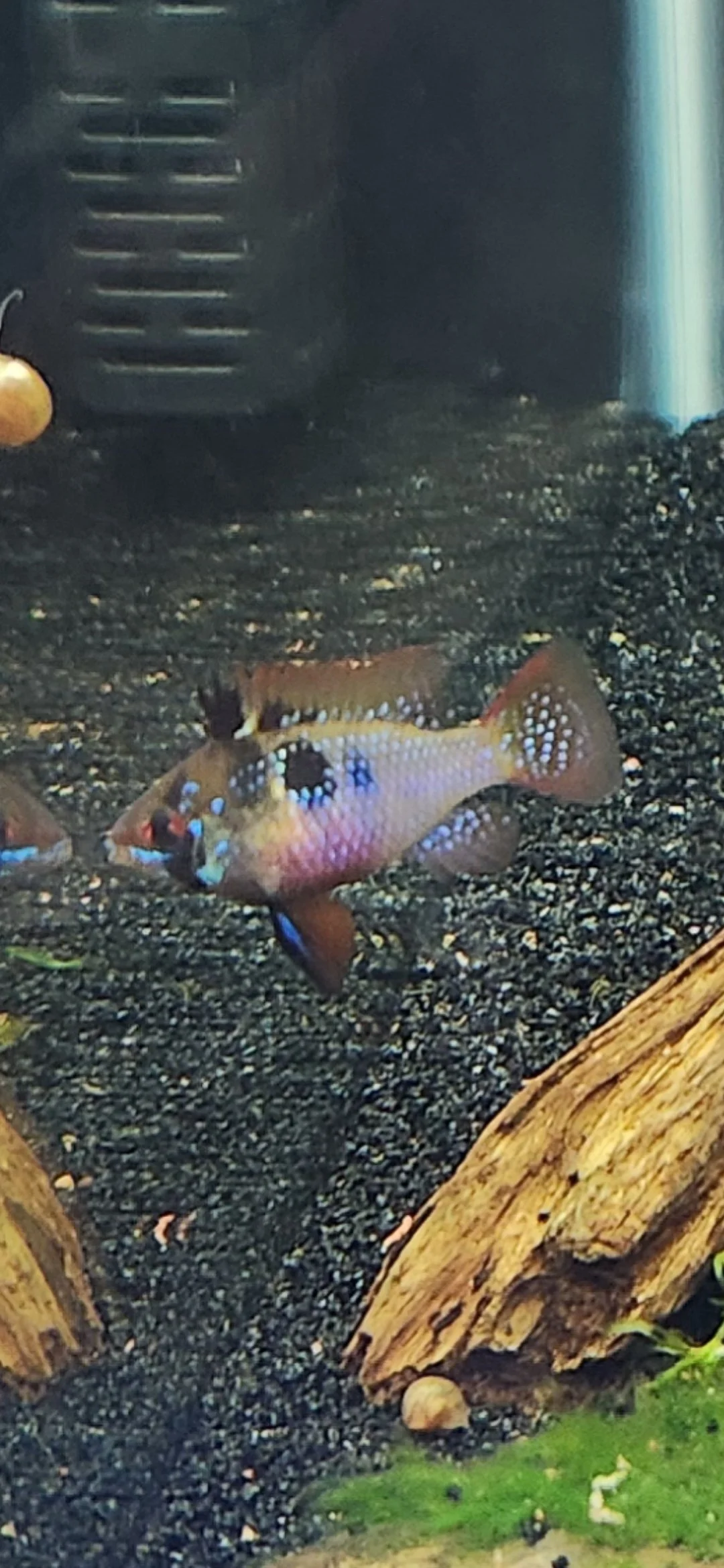
Source: Hobbyist Bred and Raised in the USA
Estimated size at shipping: 0.75-1"
Adult Size: around 1.5-2"
Sold as: Unsexed
Overview:
The Gold Ram is a beautiful and striking variation of the popular German Blue Ram, known for its vibrant golden-yellow body with subtle hints of blue and orange. This small yet colorful cichlid brings a touch of elegance to any freshwater aquarium. Gold Rams are peaceful, intelligent, and social, making them ideal for community tanks with other non-aggressive species. Their peaceful nature and unique color pattern make them a favorite among aquarists looking to add a bit of luxury to their tanks.
Source: Home Bred in Bedford TX
Size at Shipping: 1" – 1.5"
Adult Size: 1.5" – 2"
Sold As: Unsexed
German Blue Rams are a colorful dwarf cichlid prized for their shimmering blue speckles and vibrant yellow-gold bodies. This species is a standout in planted aquariums, but requires warm, clean, and stable water conditions to truly thrive. Best kept in pairs, they make a beautiful centerpiece fish in peaceful community setups.
Care Requirements
Temperament: Peaceful (can be territorial when breeding)
Difficulty: Moderate
Minimum Tank Size: 20 gallons (for a pair)
Group Size: Best kept in pairs
Water Parameters:
Temperature: 78–85°F
pH: 6.0 – 7.5
Hardness: Soft water preferred
Tank Setup
A well-planted aquarium with plenty of hiding spots is ideal. Provide driftwood, caves, and fine sand substrate to allow for natural sifting behavior. Stable water quality is essential for long-term success.
Diet
Omnivorous. Feed a high-quality diet of flakes or pellets, supplemented regularly with frozen or live foods such as brine shrimp and bloodworms to maintain optimal health and coloration.
German Blue Rams are best suited for aquarists who can maintain consistent water parameters, making them a rewarding choice for those looking to keep a vibrant and elegant centerpiece fish.
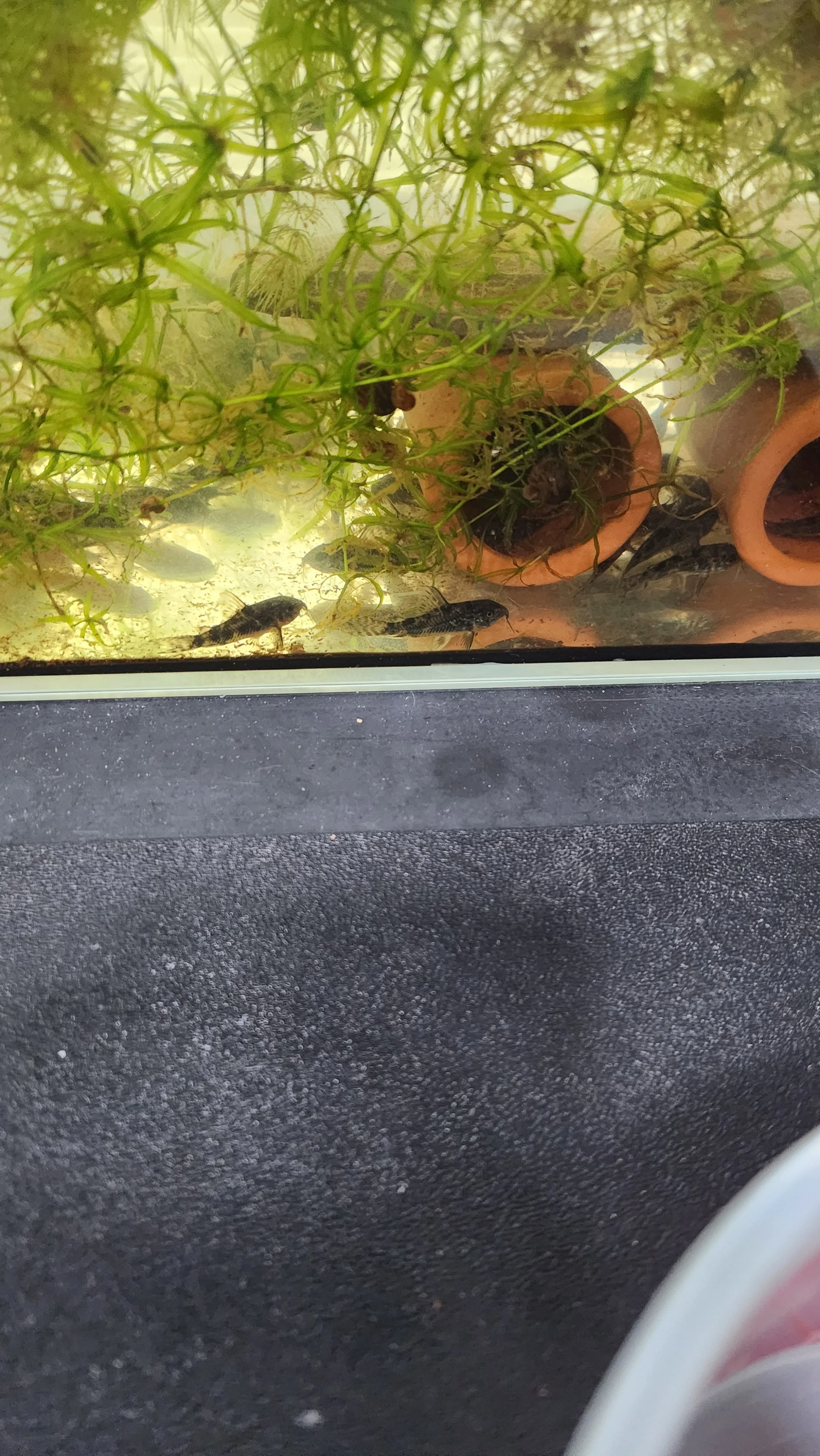
Peppered Cory
Corydoras paleatus
Source: Home Breed in Bedford TX
Size at Shipping: 1" – 1.5"
Adult Size: 2" – 2.5"
Sold As: Unsexed
The Peppered Cory is a classic and hardy bottom-dwelling catfish, loved for its speckled pattern and playful, social behavior. Like all Corydoras, they are peaceful and thrive in groups, constantly foraging along the substrate. Their charming “dash to the surface” for air is a normal and entertaining behavior that adds personality to any aquarium.
Care Requirements
Temperament: Peaceful, social
Difficulty: Easy / Hardy
Minimum Tank Size: 20 gallons
Group Size: 6+ recommended
Water Parameters:
Temperature: 72–78°F
pH: 6.0 – 7.5
Hardness: Soft to moderate
Tank Setup
Best kept in groups in a peaceful community aquarium. A fine sand substrate is highly recommended, as it allows them to exhibit natural sifting behavior. While they can adapt to other substrates, sand will encourage more active and natural foraging. Provide open bottom space along with plants or decor for cover.
Diet
Omnivorous, but requires a protein-rich diet. Do not rely on algae or leftover food to sustain them. Feed sinking pellets, wafers, and supplement with frozen or live foods such as bloodworms or brine shrimp. Slow feeding habits mean they benefit from foods that remain available for longer periods.
Peppered Corys are one of the best beginner-friendly bottom dwellers, offering constant activity and social behavior when kept in proper groups. A must-have for any well-balanced community aquarium.
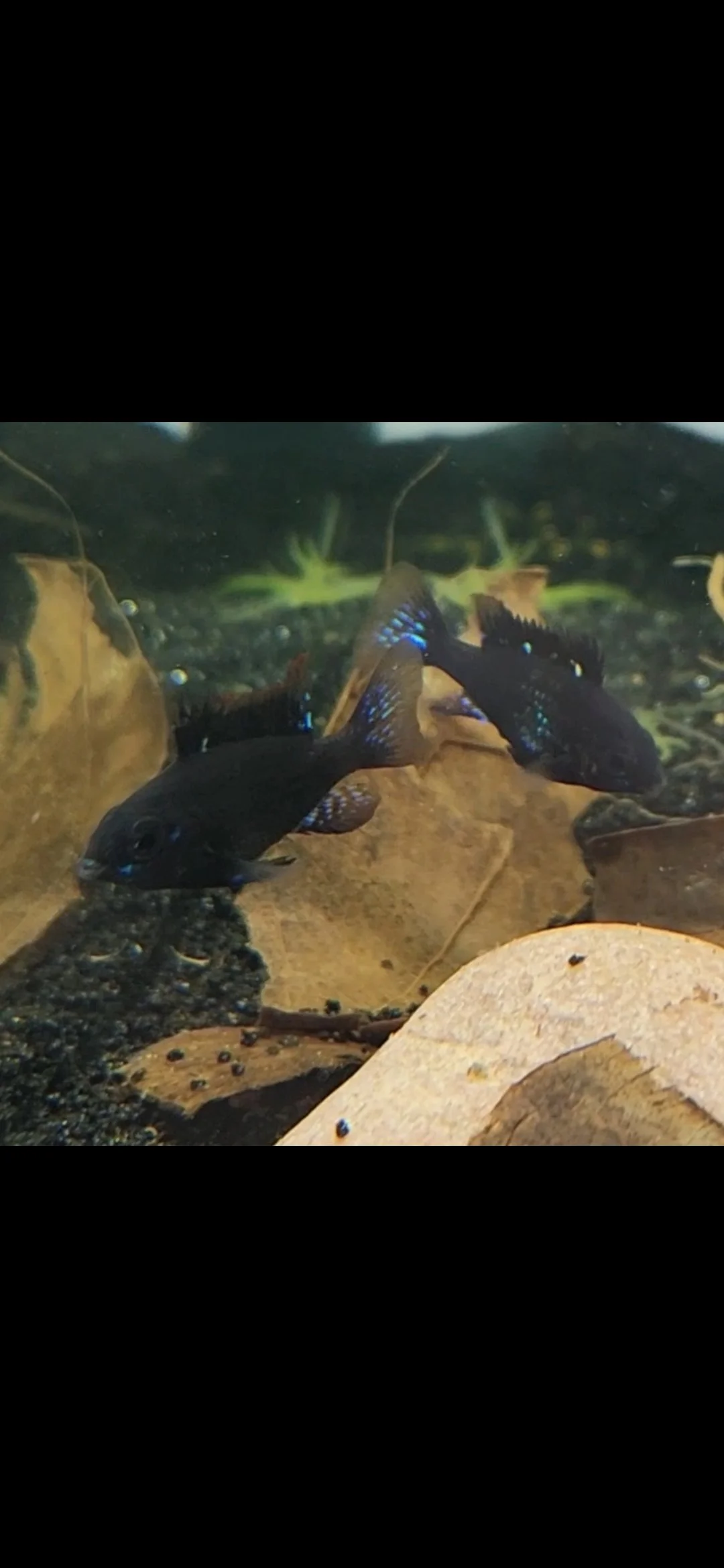
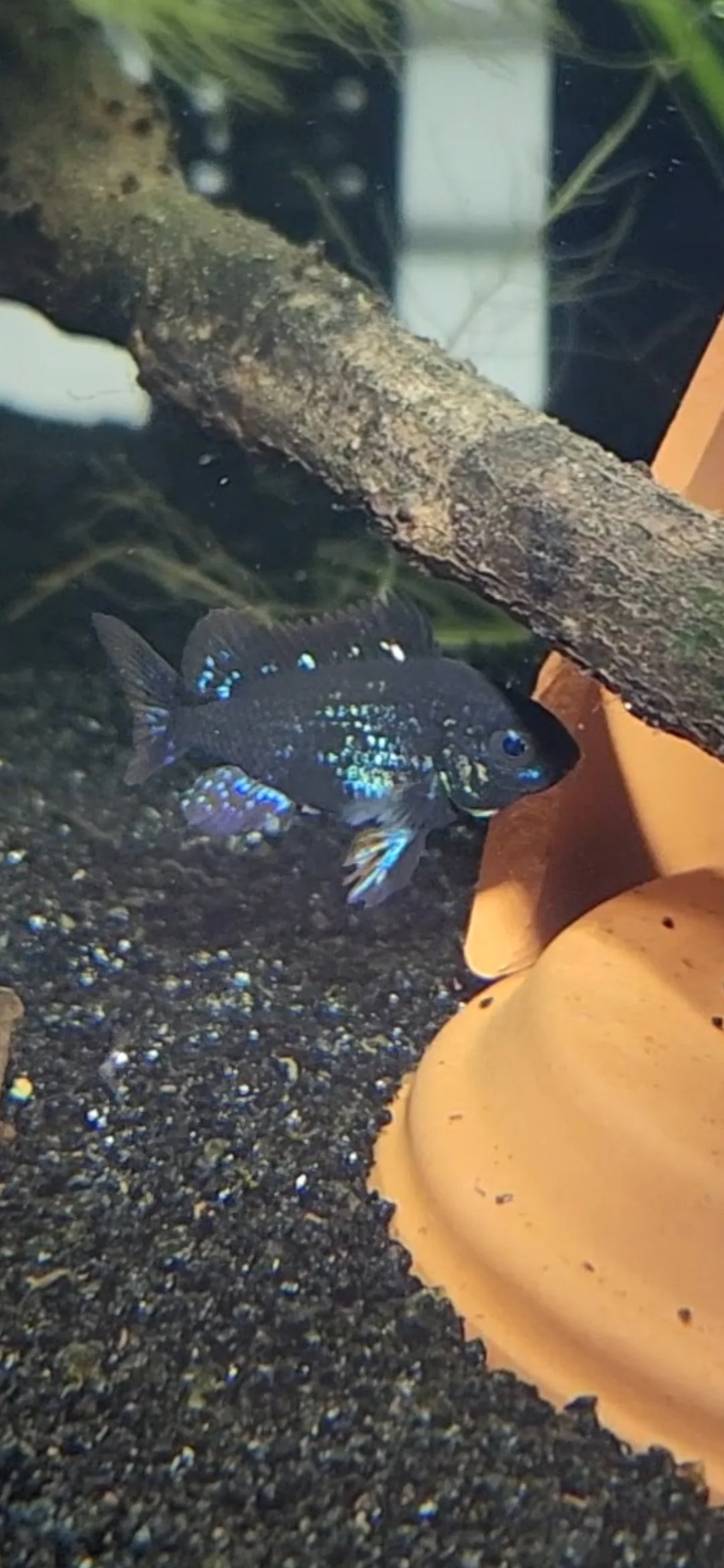
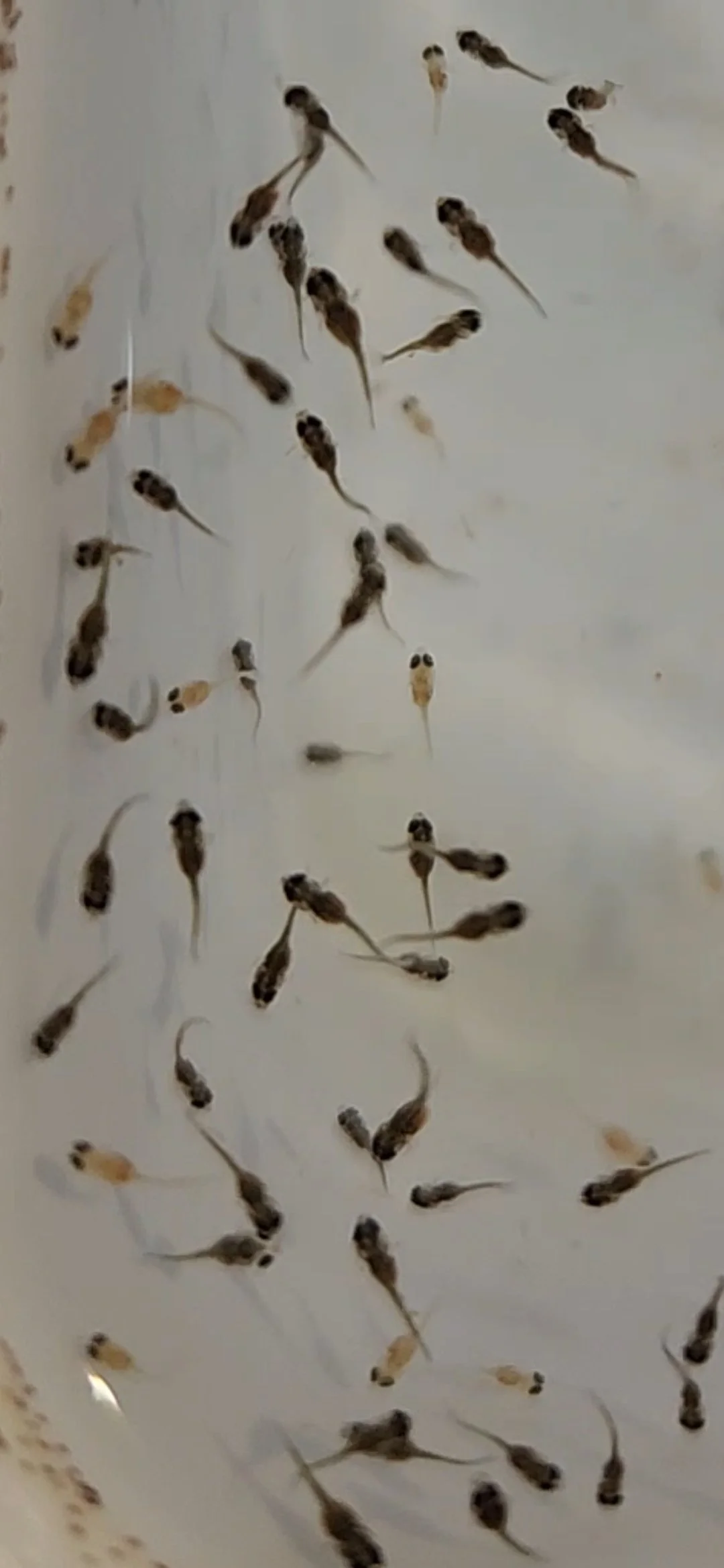
The Black Ram is a really beautiful and unique type of German Blue Ram, known for its deep black and dark blue coloring. The contrast between their dark body and their soft, flowing fins really makes them stand out in a freshwater tank. They’re small, peaceful fish that do best in warm, stable water, and they fit in well with other calm community fish.
Care Requirements
Temperament: Peaceful
Difficulty: Easy / Hardy
Minimum Tank Size: 20 gallons
Activity: Nocturnal
Water Parameters:
Temperature: 72–82°F
pH: 6.5 – 7.5
Hardness: Moderate
Tank Setup
Provide a well-structured aquarium with hiding spots such as caves, driftwood, or rockwork, as this species prefers to rest during the day. They thrive in tanks with moderate water flow, which can be achieved with sponge filters, air stones, or powerheads. While not required, driftwood is highly recommended as it supports natural grazing behavior.
Diet
Omnivorous. While they naturally graze on algae and biofilm, they should be supplemented with a balanced diet. Offer algae wafers, sinking pellets, and fresh vegetables such as zucchini and green beans. A varied diet ensures proper nutrition and long-term health.
Tank Mates
Excellent for peaceful community aquariums. Compatible with:
Tetras
Corydoras
Rasboras
Other non-aggressive fish
Avoid housing with aggressive or territorial species that may outcompete them for food.
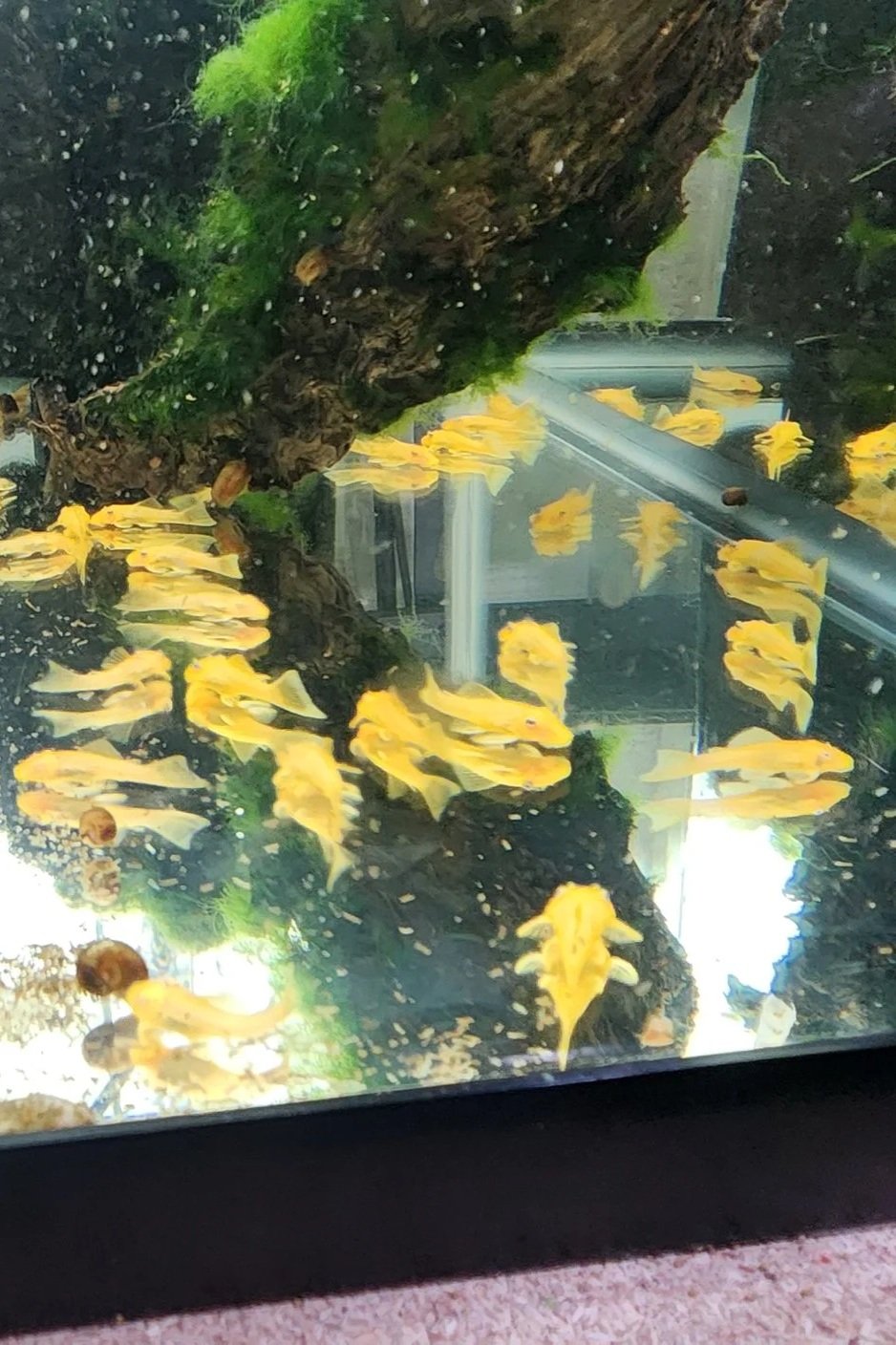
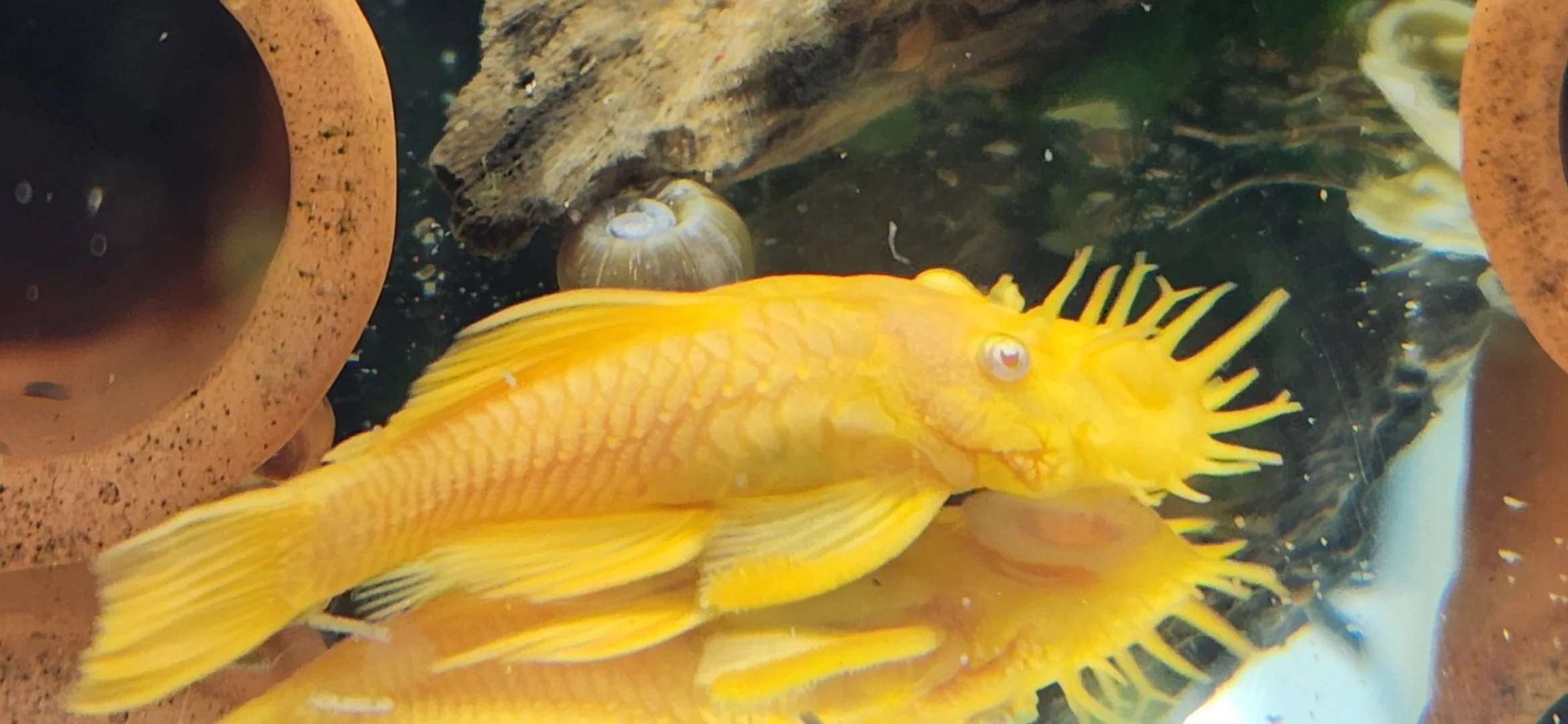
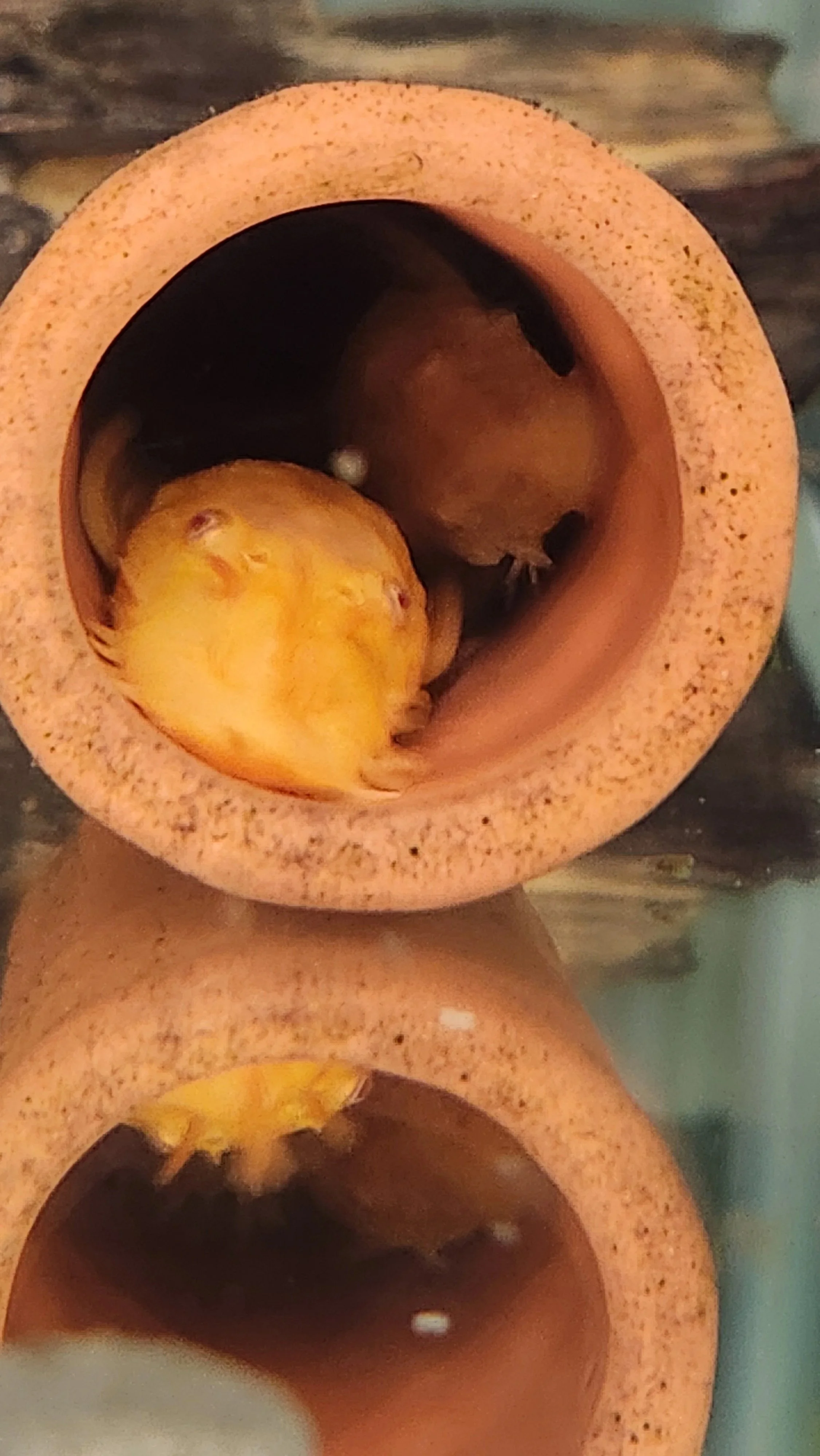
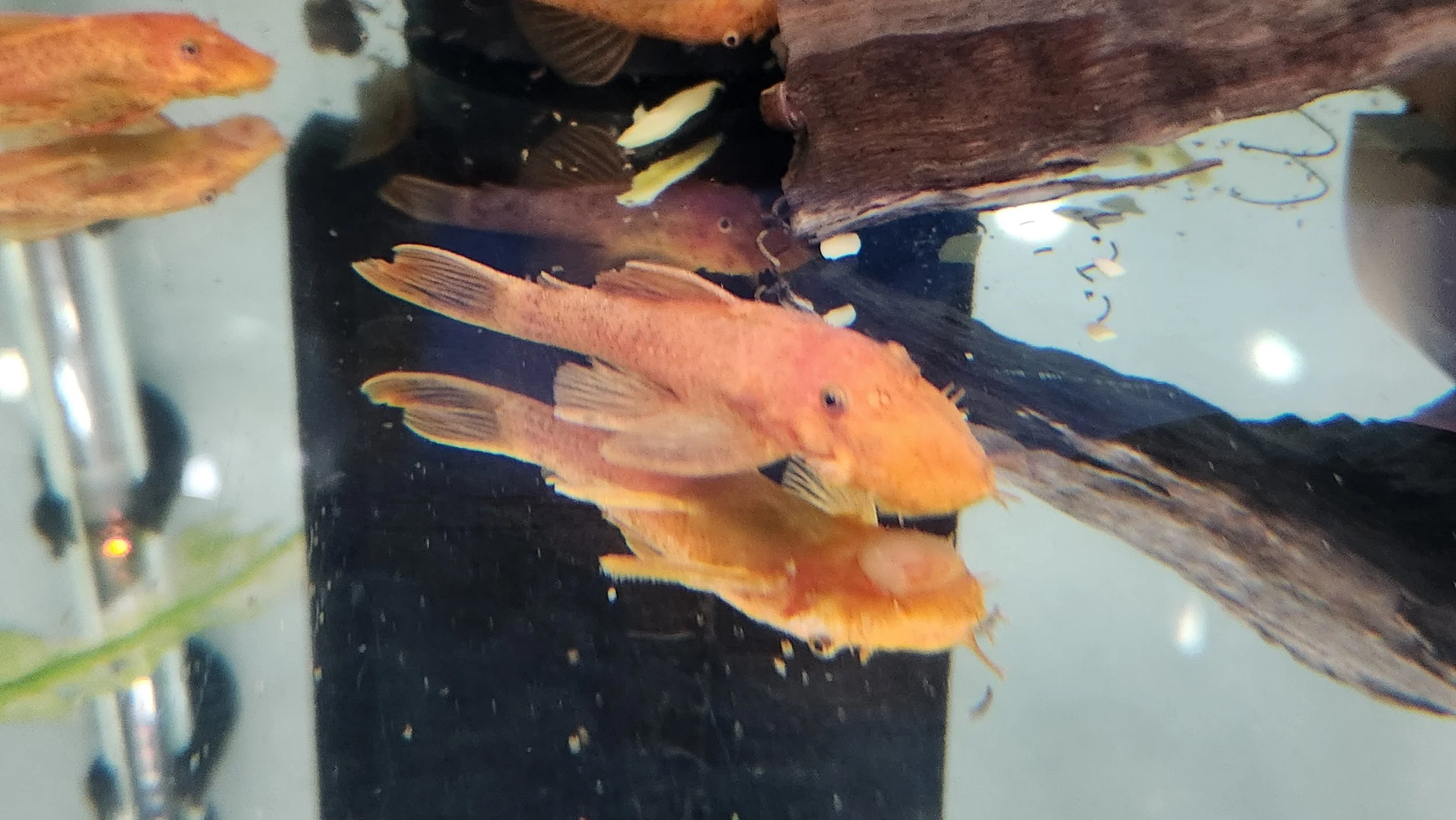
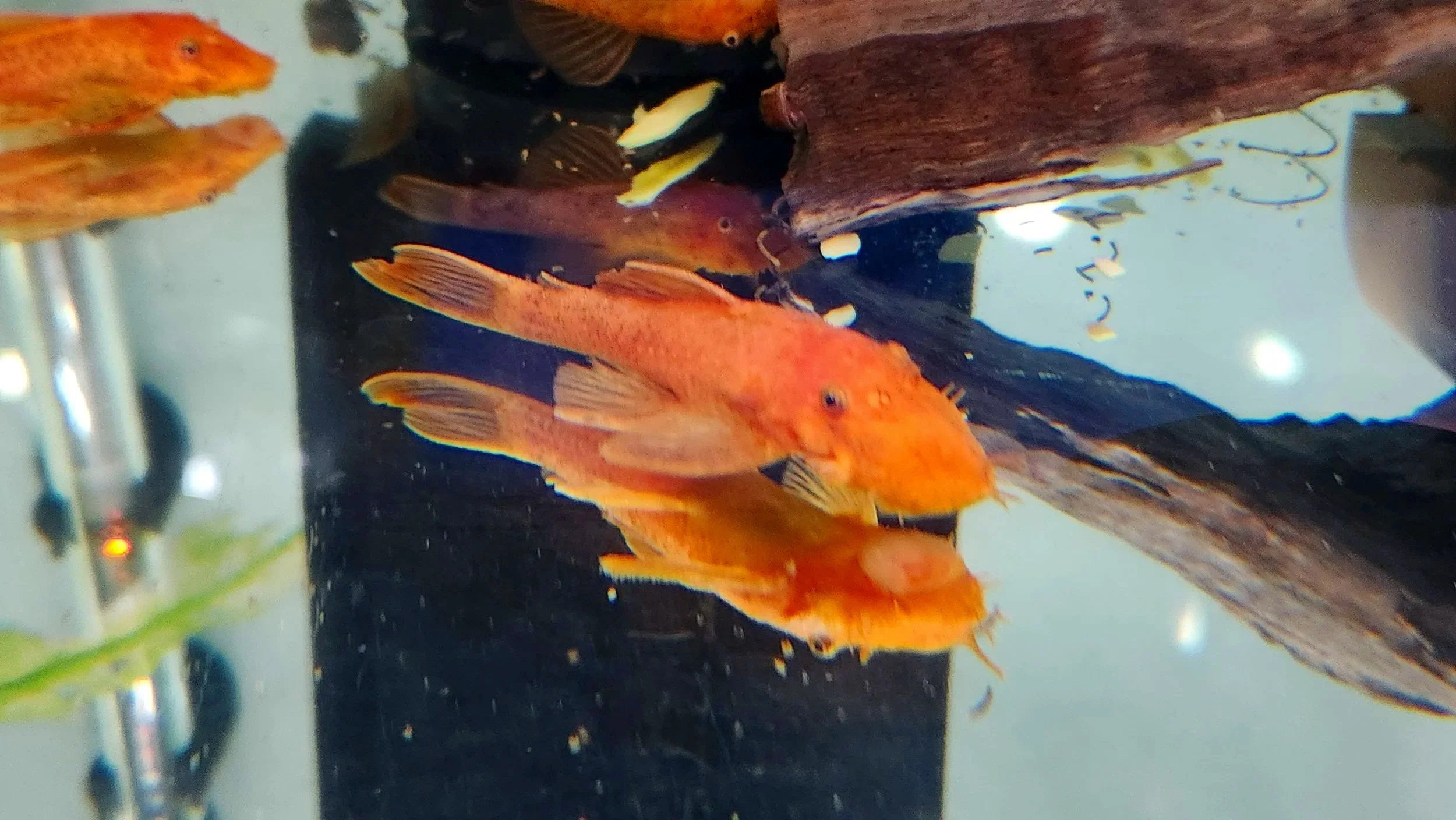
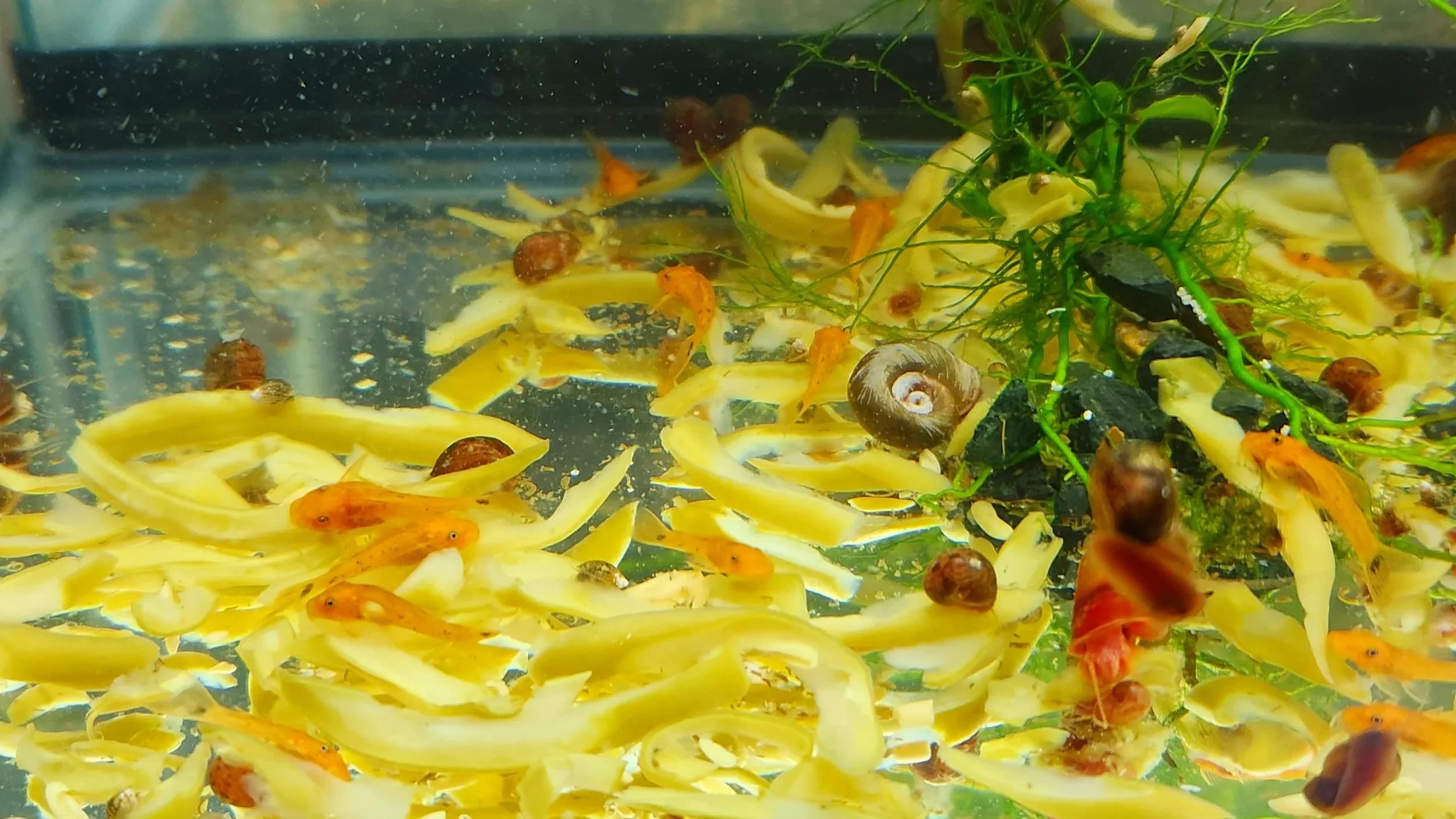
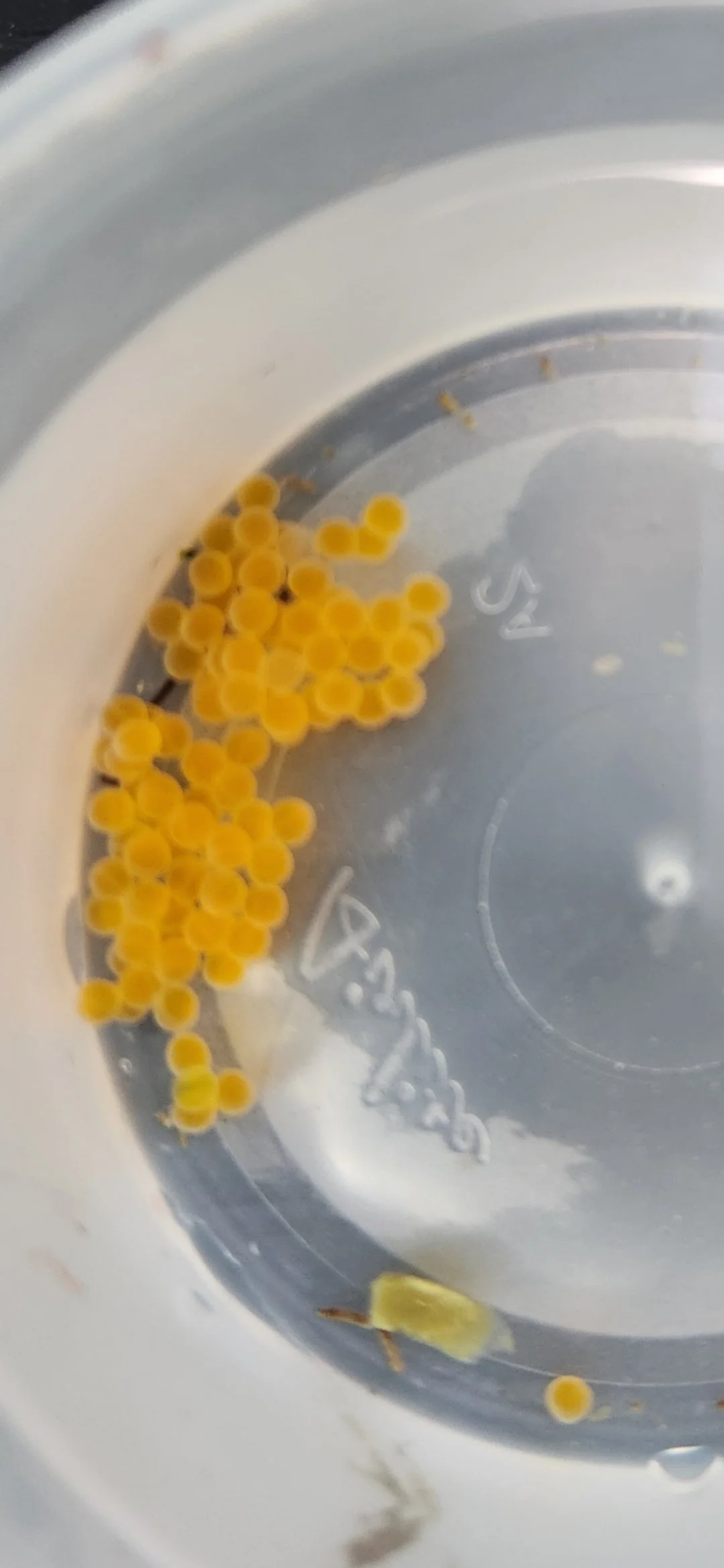
The Albino Green Dragon Bristlenose Pleco is an excellent choice for aquarists looking for a colorful, low-maintenance algae eater that stays relatively small and adapts well to a wide range of tank conditions.
Care Requirements
Temperament: Peaceful
Difficulty: Easy / Hardy
Minimum Tank Size: 20 gallons
Activity: Nocturnal
Water Parameters:
Temperature: 72–82°F
pH: 6.5 – 7.5
Hardness: Moderate
Tank Setup
Provide a well-structured aquarium with hiding spots such as caves, driftwood, or rockwork, as this species prefers to rest during the day. They thrive in tanks with moderate water flow, which can be achieved with sponge filters, air stones, or powerheads. While not required, driftwood is highly recommended as it supports natural grazing behavior.
Diet
Omnivorous. While they naturally graze on algae and biofilm, they should be supplemented with a balanced diet. Offer algae wafers, sinking pellets, and fresh vegetables such as zucchini and green beans. A varied diet ensures proper nutrition and long-term health.
Tank Mates
Excellent for peaceful community aquariums. Compatible with:
Tetras
Corydoras
Rasboras
Other non-aggressive fish
Avoid housing with aggressive or territorial species that may outcompete them for food.
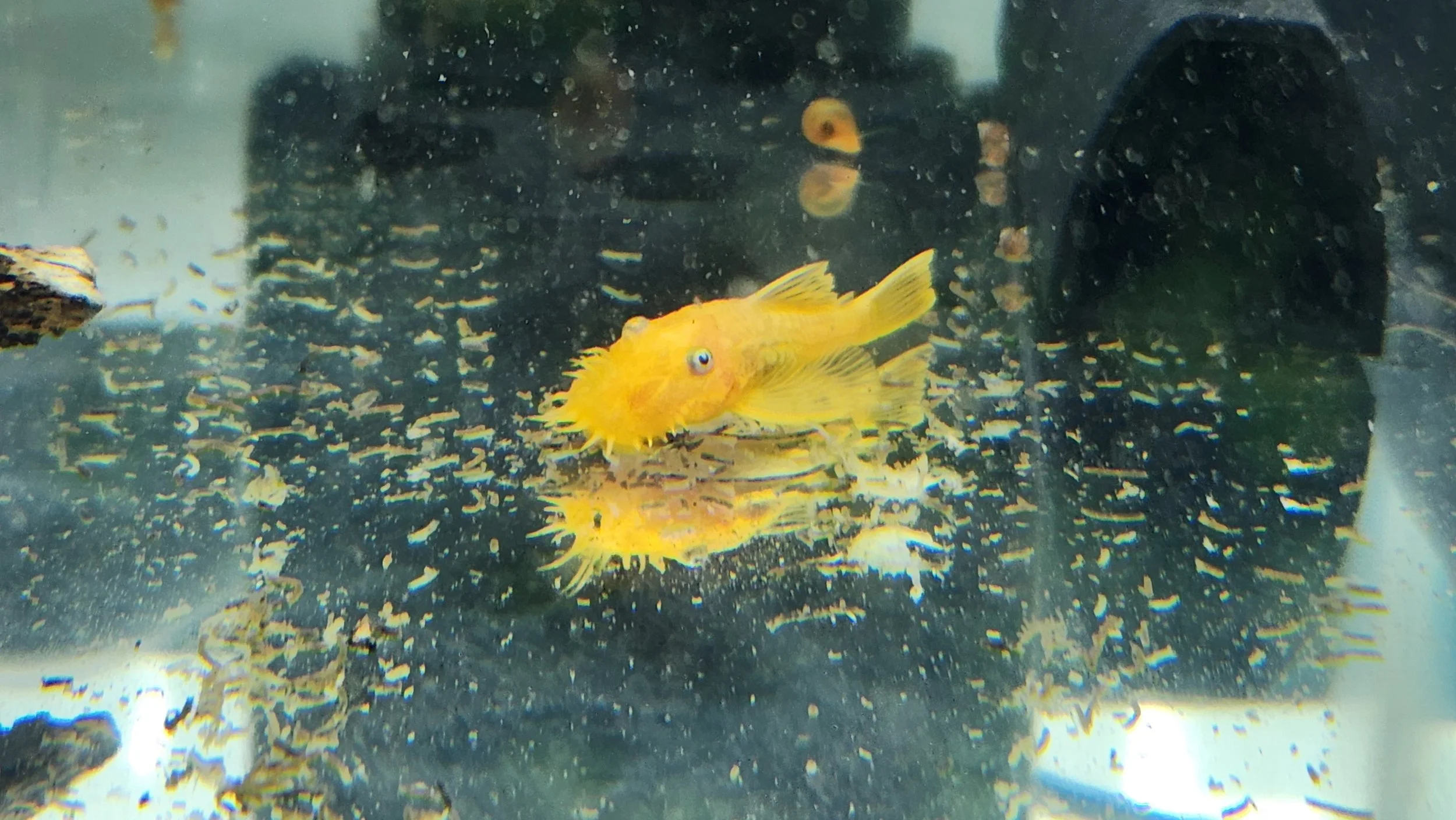
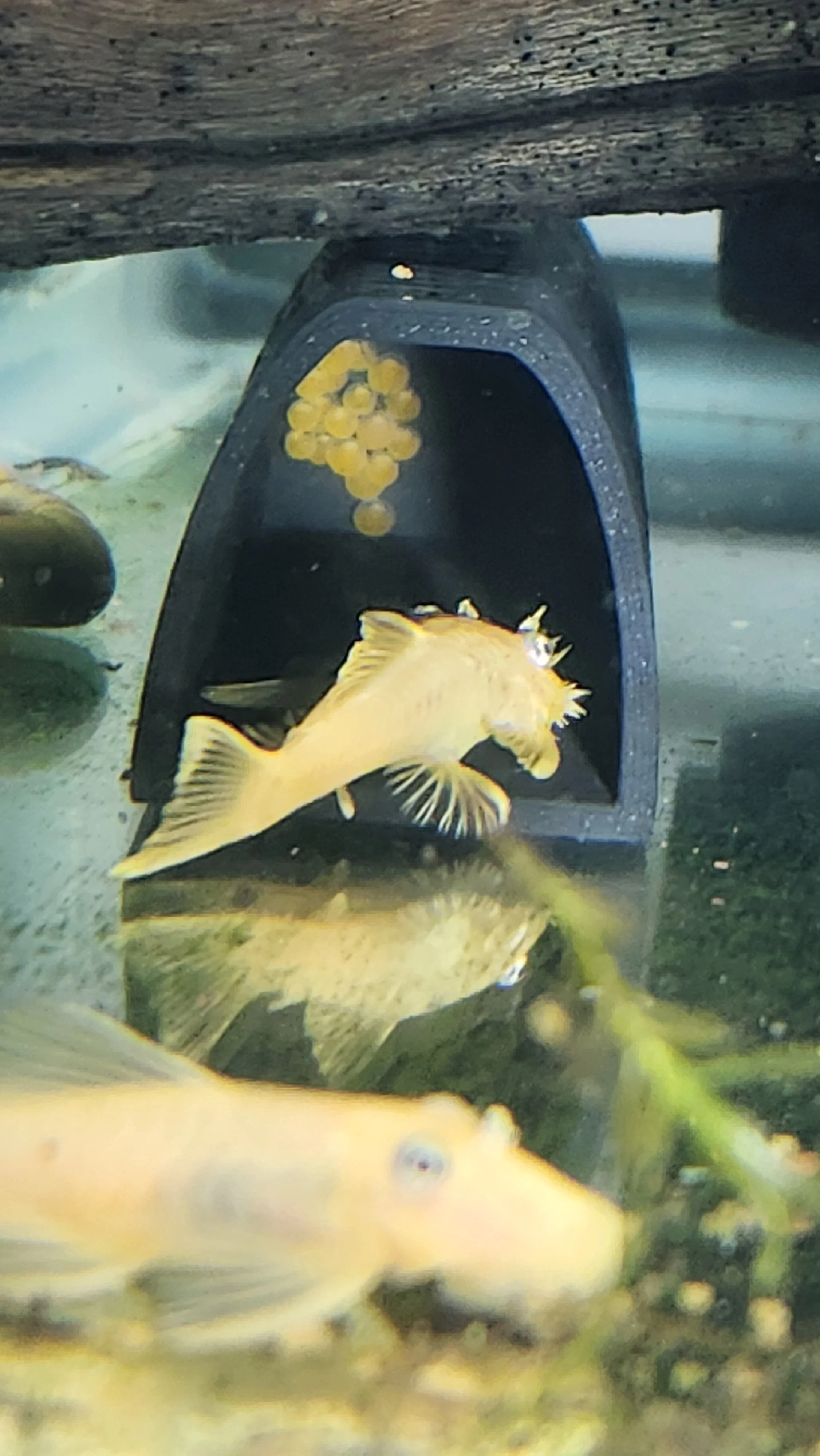
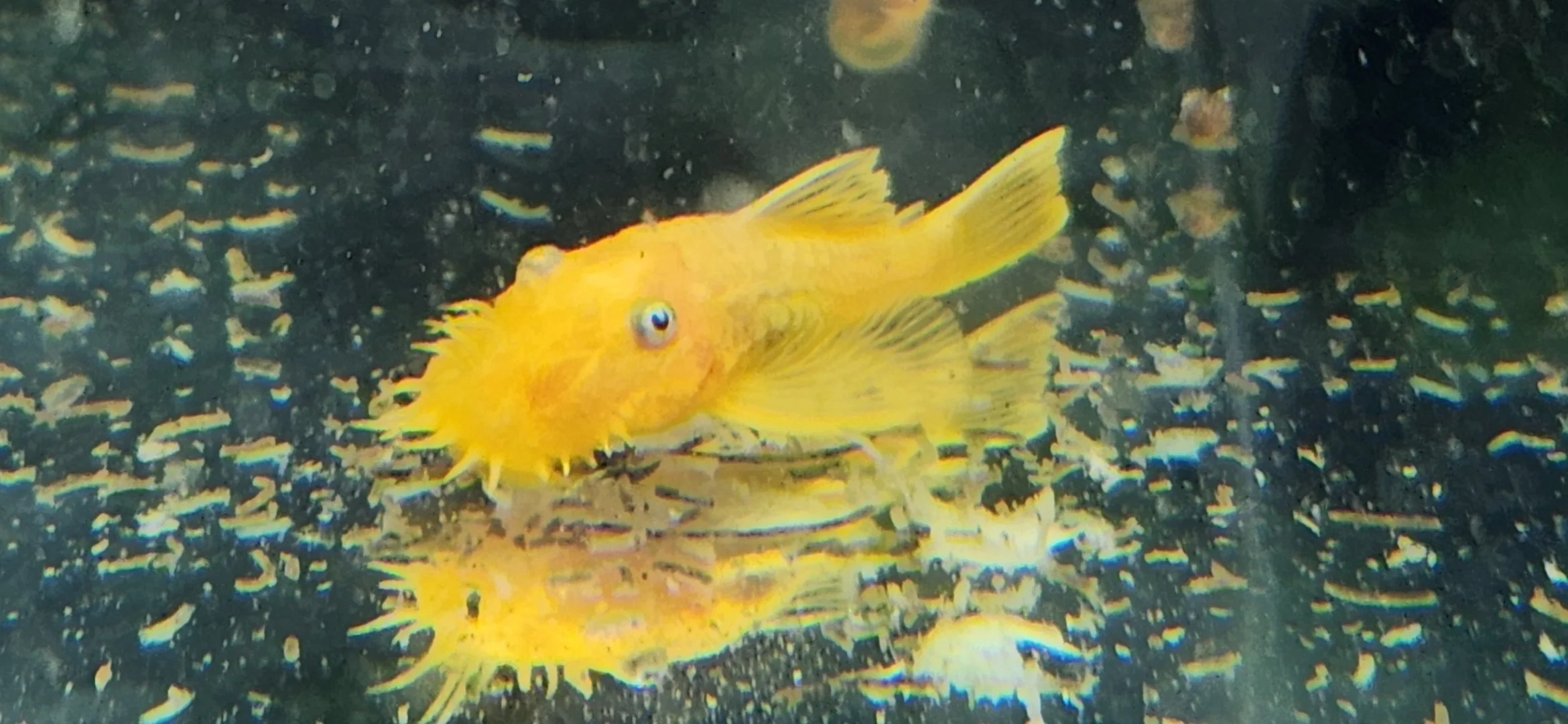
The Super Red Bristlenose Pleco is an excellent choice for aquarists looking for a colorful, low-maintenance algae eater that stays relatively small and adapts well to a wide range of tank conditions.
Care Requirements
Temperament: Peaceful
Difficulty: Easy / Hardy
Minimum Tank Size: 20 gallons
Activity: Nocturnal
Water Parameters:
Temperature: 72–82°F
pH: 6.5 – 7.5
Hardness: Moderate
Tank Setup
Provide a well-structured aquarium with hiding spots such as caves, driftwood, or rockwork, as this species prefers to rest during the day. They thrive in tanks with moderate water flow, which can be achieved with sponge filters, air stones, or powerheads. While not required, driftwood is highly recommended as it supports natural grazing behavior.
Diet
Omnivorous. While they naturally graze on algae and biofilm, they should be supplemented with a balanced diet. Offer algae wafers, sinking pellets, and fresh vegetables such as zucchini and green beans. A varied diet ensures proper nutrition and long-term health.
Tank Mates
Excellent for peaceful community aquariums. Compatible with:
Tetras
Corydoras
Rasboras
Other non-aggressive fish
Avoid housing with aggressive or territorial species that may outcompete them for food.
The Lemon Blue eye Pleco Bristlenose Pleco is an excellent choice for aquarists looking for a colorful, low-maintenance algae eater that stays relatively small and adapts well to a wide range of tank conditions.
Care Requirements
Temperament: Peaceful
Difficulty: Easy / Hardy
Minimum Tank Size: 20 gallons
Activity: Nocturnal
Water Parameters:
Temperature: 72–82°F
pH: 6.5 – 7.5
Hardness: Moderate
Tank Setup
Provide a well-structured aquarium with hiding spots such as caves, driftwood, or rockwork, as this species prefers to rest during the day. They thrive in tanks with moderate water flow, which can be achieved with sponge filters, air stones, or powerheads. While not required, driftwood is highly recommended as it supports natural grazing behavior.
Diet
Omnivorous. While they naturally graze on algae and biofilm, they should be supplemented with a balanced diet. Offer algae wafers, sinking pellets, and fresh vegetables such as zucchini and green beans. A varied diet ensures proper nutrition and long-term health.
Tank Mates
Excellent for peaceful community aquariums. Compatible with:
Tetras
Corydoras
Rasboras
Other non-aggressive fish
Avoid housing with aggressive or territorial species that may outcompete them for food.
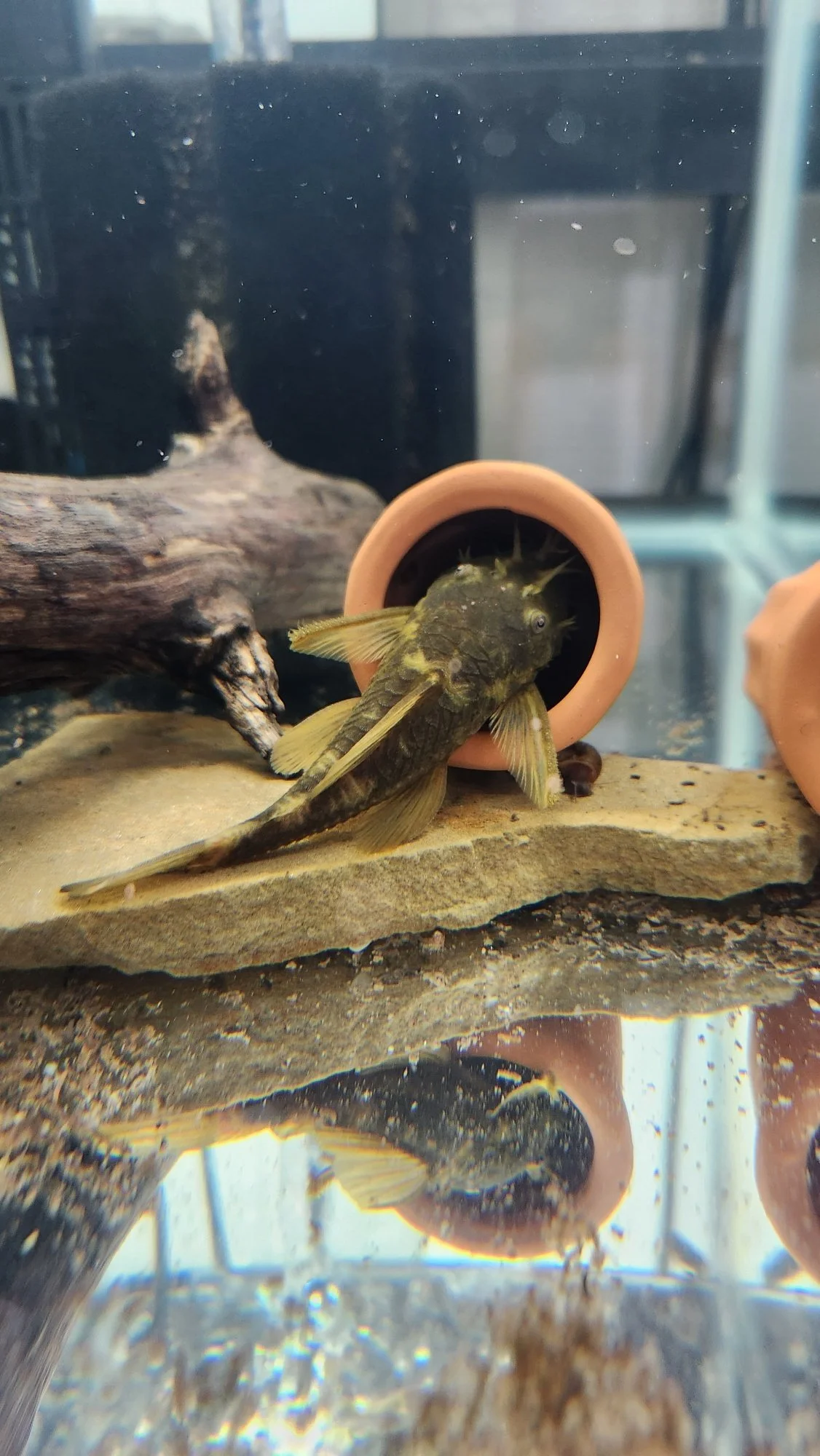
The Green Dragon Bristlenose Pleco is an excellent choice for aquarists looking for a colorful, low-maintenance algae eater that stays relatively small and adapts well to a wide range of tank conditions.
No results match your search. Try removing a few filters.